
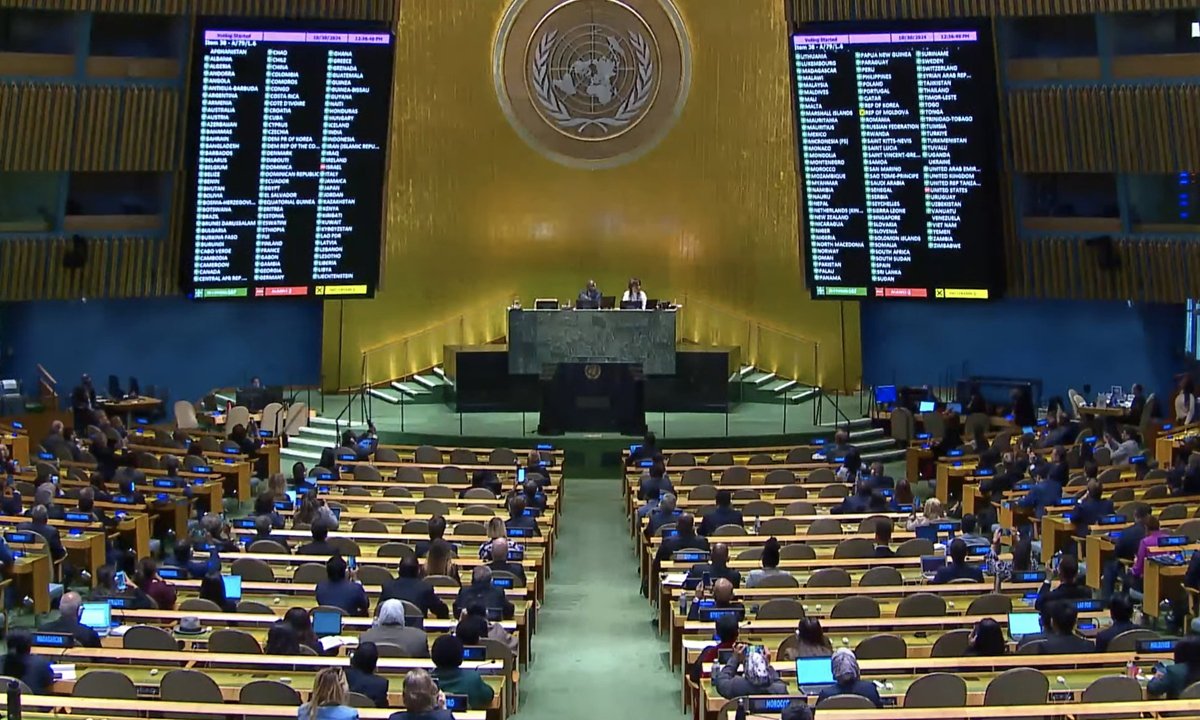
The United Nations General Assembly is expected to vote on Wednesday on a resolution condemning the decades-long United States economic embargo on Cuba, as tensions between Washington and Havana continue to escalate.
The annual resolution, which criticizes the U.S. policy toward Cuba, has been presented before the General Assembly for 34 consecutive years and has consistently received overwhelming support from member states. Last year, the measure passed with 165 votes in favor, seven against, and 12 abstentions.
While diplomats expect the resolution to secure broad backing once again, attention has shifted to whether the Trump administration’s lobbying efforts will influence voting patterns among key allies and increase the number of opposing votes or abstentions.
Although General Assembly resolutions are non-binding, they are widely regarded as an indicator of international opinion on major global issues.
The vote comes at a difficult time for Cuba, which is grappling with deepening economic and financial challenges while facing intensified pressure from the United States. The situation has been further complicated by recent remarks from President Donald Trump suggesting that U.S. warships could make stops in Cuba following operations related to the Iran conflict, reviving discussions about potential military intervention.
Diplomatic tensions spilled into public view at the United Nations on Tuesday when U.S. Ambassador Mike Waltz and Cuban Foreign Minister Bruno Rodríguez engaged in a heated exchange during debate on the embargo resolution.
Witnesses at the session said Rodríguez interrupted proceedings and approached the podium while Waltz was addressing delegates, accusing the U.S. envoy of dishonesty and seeking a point of order from the presiding official.
The confrontation underscored the increasingly strained relationship between the two countries as the international community prepares to cast its vote on one of the UN’s most enduring diplomatic disputes.