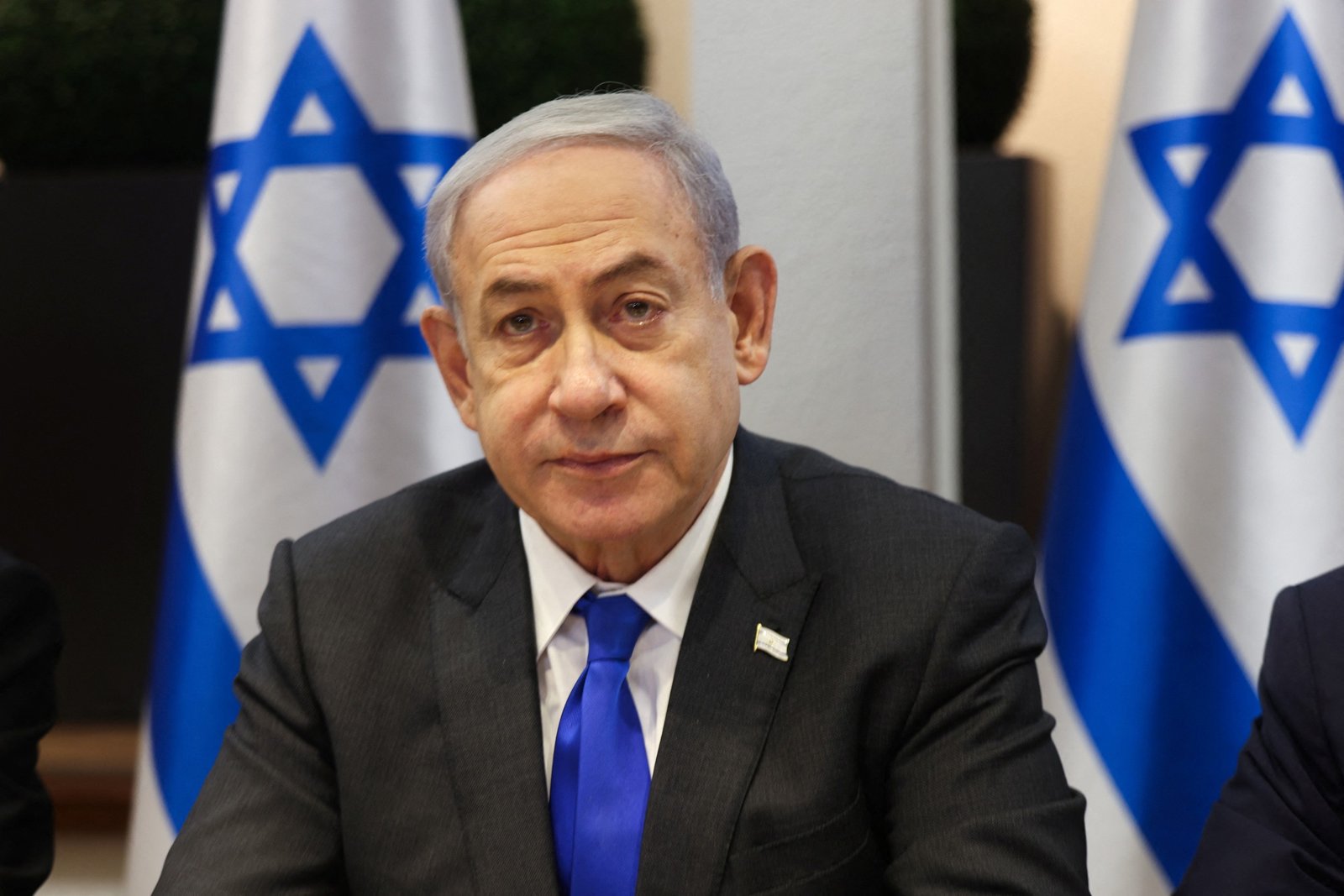
Israeli Prime Minister Benjamin Netanyahu’s political future hangs in the balance as Israelis vote in a closely contested election shaped by security concerns, years of conflict and growing public debate over his leadership.
Polling stations opened across Israel on Tuesday with about 7.3 million eligible voters expected to participate in a contest that could determine whether Netanyahu extends his long political dominance or cedes power to a rival coalition.
Opinion polls indicate a tight race between Netanyahu’s Likud party and its right-wing allies and an opposition bloc led by former military chief Gadi Eisenkot, who has attracted support from both centrist and conservative voters.
Netanyahu has campaigned heavily on his wartime leadership record and his close relationship with United States President Donald Trump, arguing that continuity in leadership remains critical to Israel’s security.
Speaking ahead of the election, Netanyahu suggested that further action could be taken against Iran’s nuclear ambitions and indicated that such efforts would benefit from his continued leadership.
Eisenkot, however, accused the prime minister of relying on fear-based campaign tactics and maintained that Washington would work with whichever government emerges from the election.
Both camps face significant coalition-building challenges in Israel’s fragmented political system, raising the possibility of another inconclusive outcome and prolonged political uncertainty.
Key issues influencing voter decisions include accountability for the October 7, 2023 Hamas attack, the war in Gaza, tensions with Iran and Hezbollah, rising political divisions and Netanyahu’s ongoing corruption trial, allegations he continues to deny.
The election is widely viewed as one of the most consequential in Israel’s recent history, with analysts predicting a narrow result that could leave either side struggling to secure a parliamentary majority.
Political analyst Amotz Asa-El said the vote is likely to produce a closely divided parliament rather than a decisive mandate for either bloc.