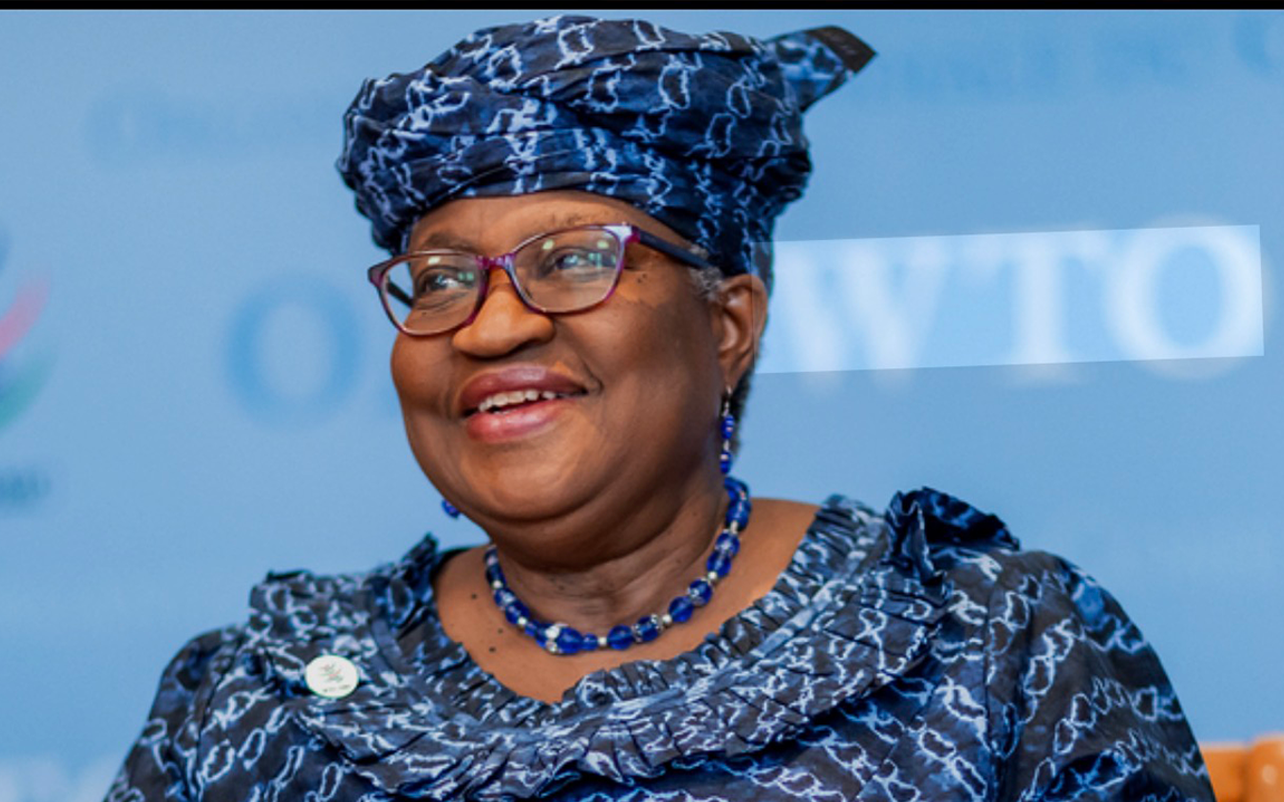
World Trade Organization Director General Ngozi Okonjo-Iweala has said Nigeria’s future economic success will be determined more by the quality of its leadership than by its natural resources, stressing that economic reforms must translate into jobs and tangible benefits for citizens.
Speaking during a fireside conversation with Central Bank Governor Olayemi Cardoso at the seventh Africa Emerging Markets Forum in Abuja, Okonjo-Iweala said good governance alone could account for about three quarters of a country’s success, arguing that Nigeria’s leaders must move beyond policy pronouncements to delivering jobs and opportunities that give young Nigerians reasons to build their futures at home. She said citizens also bear responsibility, needing to demand integrity and accountability from those who govern them, and stressed that protecting free speech remains essential so citizens can hold leaders to account.
While commending the central bank’s reforms, Okonjo-Iweala cautioned that macroeconomic achievements will ultimately be judged by their impact on households and businesses, saying the real challenge is translating reforms into everyday improvements that Nigerians can feel, since public support cannot be sustained unless people see tangible benefits. She called for stronger coordination among monetary, fiscal and trade institutions to ensure policy gains reach productive sectors, and on US tariffs affecting Nigeria, said the country should not be overly preoccupied with the measures since key exports including oil remain exempt. She pointed to Africa’s demographic trends as a source of confidence rather than pessimism, noting that by 2050 one in every four people in the world will be African.
Cardoso identified fragmentation in global trade, more selective international capital and rapid advances in artificial intelligence as three defining shifts confronting African economies, saying the question is no longer whether the global order is changing but how to turn that change into a source of growth. He said capital increasingly flows to countries offering credibility and strong institutions, making credibility a national economic asset rather than just a central bank concern, and stressed that Africa must mobilize more of its own resources, including pension funds and diaspora capital, rather than relying primarily on foreign investment.
Cardoso said reforms undertaken over the past three years, including unifying the exchange rate and ending monetary financing of fiscal deficits, are beginning to restore confidence, with inflation moderating and external buffers strengthening as a result. He stressed that Nigeria’s stability remains critical given that the country accounts for about 60 to 70 percent of West Africa’s GDP and roughly a quarter of Africa’s economy, saying the benefits of getting policy right would extend far beyond Nigeria’s borders.