The MTN Foundation has disclosed that it has invested more than N32 billion in youth-focused development programmes and anti-drug abuse initiatives across Nigeria, reaching millions of beneficiaries in communities nationwide.
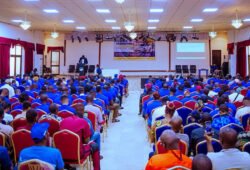
The disclosure was made by the Foundation’s Manager, Development Portfolio, Joseph Akpata, during a stakeholders’ conference on the Anti-Substance Abuse Programme (ASAP) held in Ilorin, Kwara State.
The conference brought together government officials, security agencies, development partners, educators and students to discuss strategies for tackling substance abuse among young Nigerians.
Akpata said the foundation, established in 2004 as the corporate social responsibility arm of MTN Nigeria, has impacted more than 32 million people across 30,604 communities through various intervention programmes.
“Since we started in 2004, we have invested over N32 billion in impactful projects across the country, and we have been keeping our records,” he said.
According to him, the Anti-Substance Abuse Programme, launched in 2019, was designed to prevent first-time drug use among young people through advocacy, education and empowerment initiatives.
He noted that the programme has so far reached more than 50,400 students across the country and provided training for over 1,500 teachers to strengthen drug abuse prevention efforts in schools.
“So over the years, we have been able to reach over 50,400 students across the country, and we have been able to train over 1,500 teachers,” Akpata added.
Speaking at the event, Chairperson of the MTN Foundation, Dr. Mosun Belo-Olusoga, represented by Valentina Obayemi, said the initiative underscores the organisation’s commitment to safeguarding young Nigerians from the dangers of substance abuse.
She explained that the programme currently operates in 50 public secondary schools across 10 states and the Federal Capital Territory, while also supporting grassroots awareness campaigns through partnerships with the National Youth Service Corps (NYSC) and the National Drug Law Enforcement Agency (NDLEA).
According to her, the foundation is also supporting the NDLEA’s psychosocial helpline as part of broader efforts to provide intervention and support services for individuals affected by substance abuse.
The stakeholders’ conference received support from the Kwara State Government, the United Nations Office on Drugs and Crime (UNODC), the NDLEA, and other security agencies, including the Nigerian Army, Nigerian Air Force and the Nigeria Police Force.
Participants at the event reiterated the need for stronger collaboration among government institutions, development partners, schools and communities to curb rising cases of drug abuse and promote healthier lifestyles among young people.