The United Nations Children’s Fund has called for greater efforts to ensure that every child in Nigeria is registered at birth, describing legal identity as the foundation for access to education, healthcare, social protection and other opportunities.
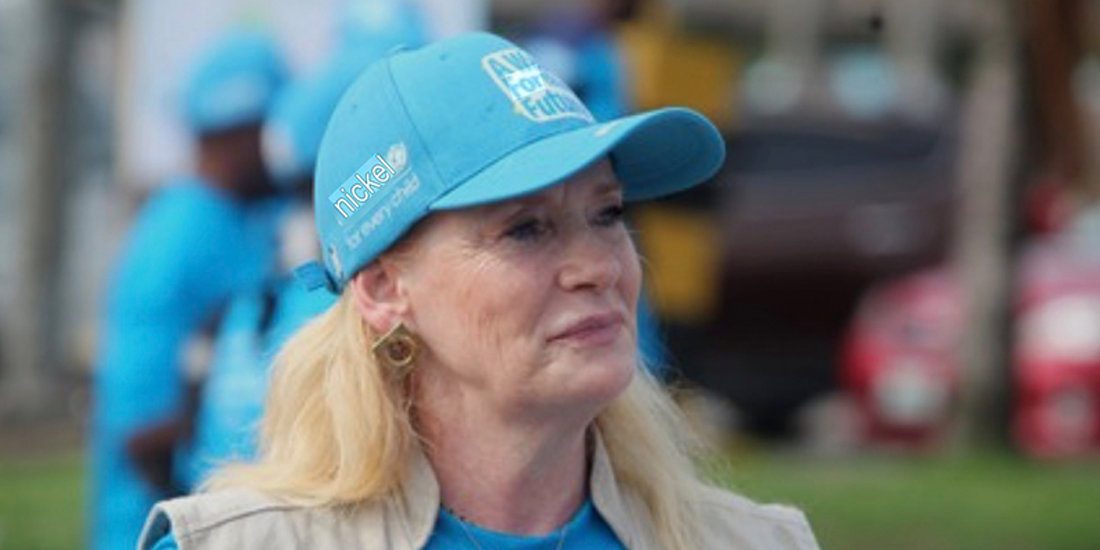
UNICEF Chief of Lagos Field Office Celine Lafoucriere said birth registration was one of the most fundamental rights of a child because it formally establishes the child’s existence before the state.
She spoke in Lagos during a media dialogue organized with the National Population Commission to strengthen public awareness about birth registration.
The program brought together journalists from states in the South West and Edo under the theme of ensuring legal identity for every Nigerian child.
Lafoucriere said the importance of birth registration extended throughout a person’s lifetime.
A registered child is more easily able to access education and healthcare, while legal identity later supports rights including voting, property ownership and inheritance.
She said weak enforcement systems had allowed some parents to postpone registration because unregistered children could still access certain public services.
UNICEF, however, warned that the absence of legal identity could eventually exclude children from government programs.
Lafoucriere said birth registration was particularly important to the development of reliable social protection databases.
She explained that children who did not appear in official records could be excluded from government planning, social registers and budget calculations.
According to UNICEF, inaccurate population data can affect the amount of funding allocated to education, healthcare, welfare and other services.
The agency urged the media to communicate practical information about why parents should register their children and where registration services are available.
Primary healthcare centers and designated community registration points equipped with digital devices are among the locations where parents can obtain the service.
Lagos State Director of the National Population Commission Sherifdeen Kekere Ekun said journalists had an important role in correcting misconceptions and encouraging families to complete birth registration.
He said television, radio, newspapers, online platforms and social media could all be used to explain that registration was more than an administrative requirement.
According to him, personal stories involving children and parents could help the public understand the long term benefits of having a recognized legal identity.
Kekere Ekun also said the media should act as a watchdog by monitoring government commitments and ensuring that registration services remain accessible to communities.
UNICEF and the NPC said sustained public education and stronger registration systems would be required to ensure that no Nigerian child remained invisible in official records.