A nationwide transport strike in Kenya entered its second day on Tuesday, paralysing movement across major cities after fuel price hikes linked to global supply disruptions triggered widespread unrest.
The strike, led largely by operators of the popular “matatu” public transport system, followed sharp increases in petrol and diesel prices after supply constraints stemming from tensions in the Middle East disrupted global oil flows.
Kenya, which relies heavily on fuel imports from the Gulf, has seen petrol prices rise by about 20 percent and diesel by nearly 50 percent in recent weeks, placing significant pressure on households, businesses and transport operators.
The unrest has already turned deadly, with at least four people confirmed killed and more than 30 others injured in protests and clashes with security forces, according to Interior Minister Kipchumba Murkomen.
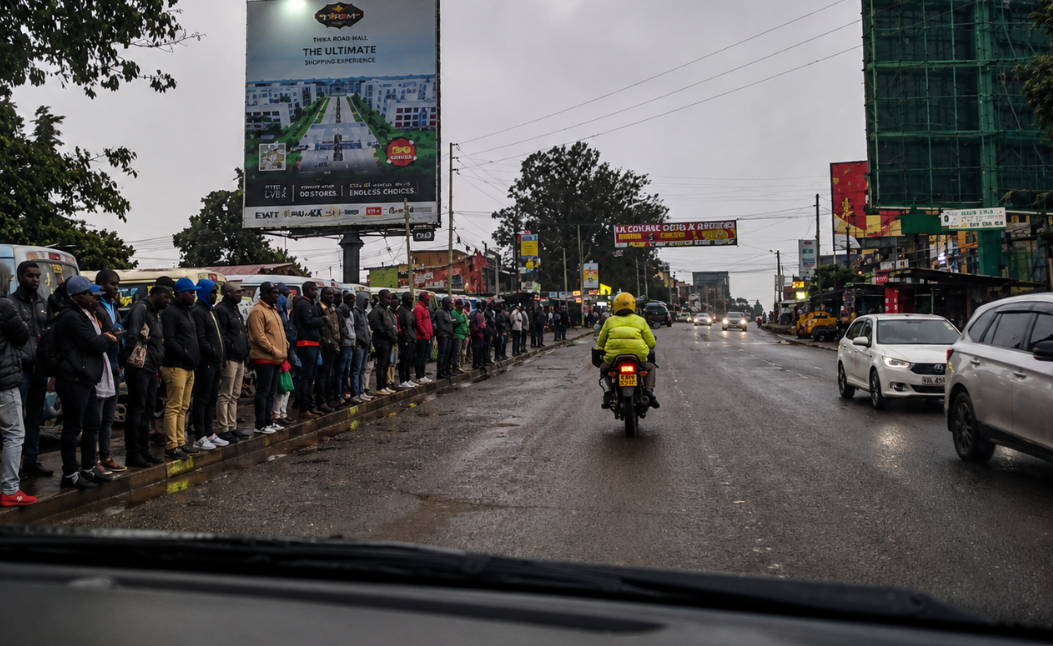
By Tuesday morning, roads in the capital Nairobi were largely deserted, while reports indicated renewed road blockades in parts of the city and surrounding towns, including Naivasha.
Schools in Nairobi remained closed for a second consecutive day, while several diplomatic missions also announced temporary closures due to security concerns.
The strike was called after transport operators failed to reach an agreement with the government over fare adjustments and fuel pricing during talks held on Monday.
However, Treasury and Economic Planning Minister John Mbadi described the industrial action as “completely uncalled for,” noting that the crisis was driven by external geopolitical factors.
“This is a war that we have not caused,” Mbadi said, referring to global disruptions affecting oil supply routes.
Kenya’s fuel price surge has been linked in part to disruptions around the Strait of Hormuz, a critical global shipping route through which a significant share of the world’s crude oil passes.
Rights organisations, including Vocal Africa, have condemned what they described as the excessive use of force by security agencies in handling protests.
Economic analysts warn that prolonged disruptions could significantly impact Kenya’s economy, with estimates suggesting that a single day of nationwide protests could cost billions of shillings in lost productivity.
The government has previously introduced fuel subsidies worth tens of millions of dollars in an attempt to cushion consumers, but critics argue that high taxation and rising debt obligations continue to drive fuel costs upward.
Despite being one of East Africa’s most dynamic economies, Kenya still faces high levels of poverty, with nearly a third of its population living below the poverty line.