Russia has launched three days of large-scale nuclear weapons exercises involving thousands of troops across the country, as tensions continue to rise over the war in Ukraine and Moscow’s strained relations with the West.
The drills, which began on Tuesday, come at a time of intensified Ukrainian drone attacks and increased rhetoric from President Vladimir Putin, who is expected to travel to China for a diplomatic visit during the exercise period.
According to Russia’s Defence Ministry, the training operation will run from May 19 to 21, 2026, and focuses on “the preparation and use of nuclear forces in the event of a threat of aggression.”
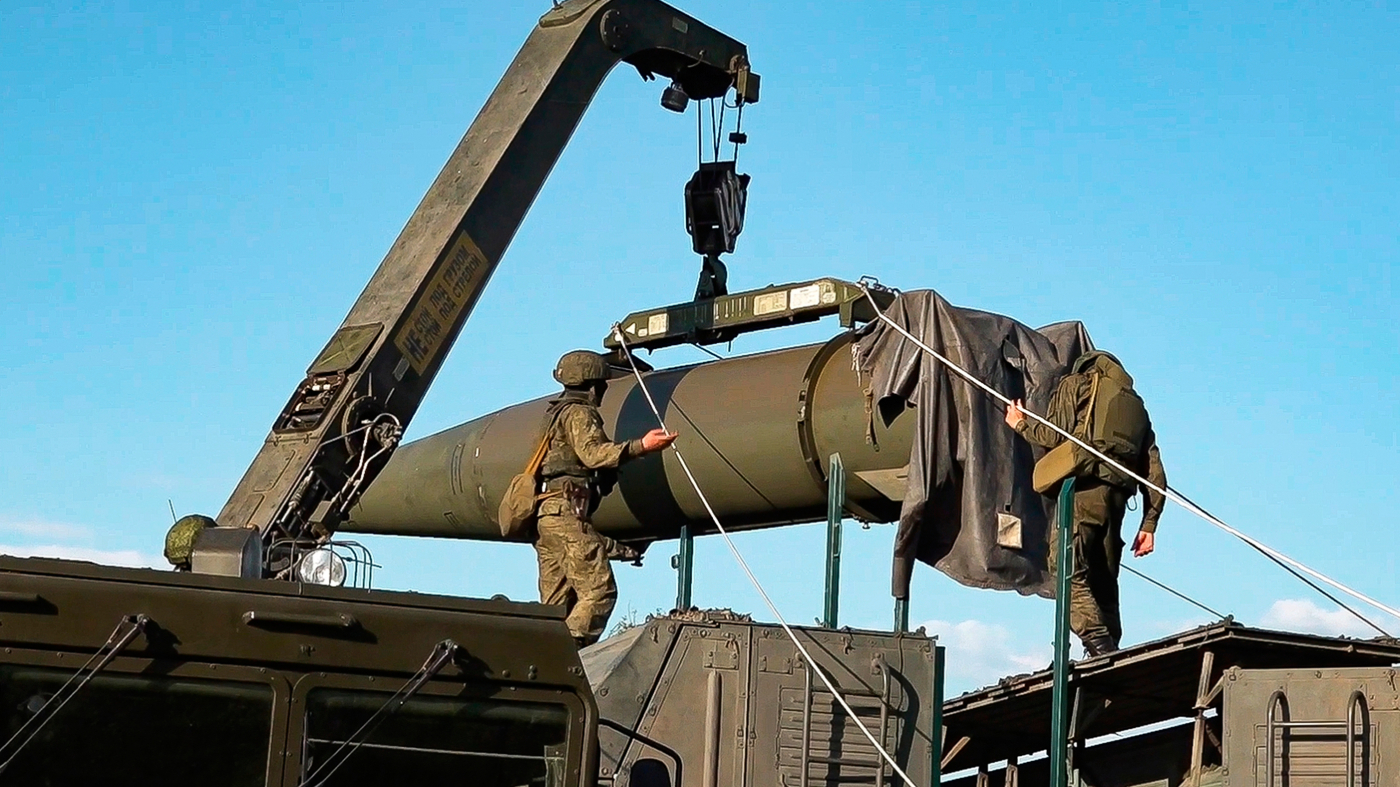
The ministry said the exercises involve more than 65,000 troops and 7,800 pieces of military equipment, including over 200 missile launchers. Aircraft, naval vessels, submarines and nuclear-powered submarines are also participating.
The drills are expected to include test launches of both ballistic and cruise missiles as part of a coordinated demonstration of Russia’s strategic nuclear capabilities.
Officials added that the exercise will also involve training on the use of nuclear weapons deployed in Belarus, a close ally of Moscow that borders NATO countries.
Russia has previously deployed nuclear-capable missile systems, including the Oreshnik missile, to Belarus, heightening concerns among Western security analysts.
The latest exercises come months after the collapse of the New START treaty framework between Russia and the United States, which had previously placed limits on strategic nuclear arsenals.
With the breakdown of the agreement, both countries are no longer bound by several key restrictions on nuclear weapons development and deployment.
Throughout its ongoing military campaign in Ukraine, Russia has repeatedly referenced its nuclear capabilities, while Western governments have accused Moscow of escalating nuclear rhetoric.
The timing of the drills, announced shortly before Putin’s expected arrival in China, has drawn attention from international observers monitoring shifting geopolitical alliances and global security risks.