The World Health Organization (WHO) has issued a stark warning regarding a rapidly deteriorating humanitarian crisis in the Democratic Republic of Congo (DRC), stating that active warfare in the country’s eastern region is severely crippling efforts to control a deadly Ebola outbreak.
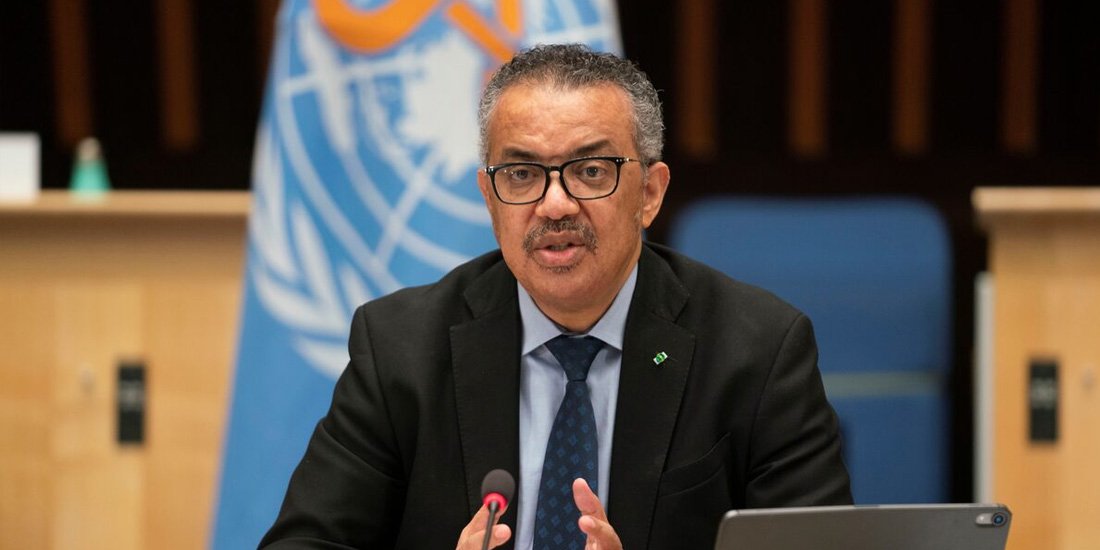
WHO Director-General Tedros Adhanom Ghebreyesus called for an immediate cessation of hostilities to prevent an unprecedented medical disaster. He noted that eastern DRC is currently facing a catastrophic collision of disease and conflict, with the Ebola outbreak in the Ituri province rapidly outpacing the international response.
Since the Congolese government officially declared the outbreak on May 15, the virus has spread at an alarming rate. The WHO has already documented 10 confirmed Ebola deaths and 220 suspected deaths. Additionally, a further 900 suspected cases have been registered in less than two weeks.
However, the UN health agency cautioned that these figures likely represent only a fraction of the actual crisis, stating that the true spread of the virus is probably much wider. Medical experts believe the virus was already circulating undetected within communities for some time before the official declaration. Compounding the crisis is the specific mutation of the virus driving the current outbreak. Tedros emphasized that the Bundibugyo strain of Ebola currently spreading in the DRC has no approved vaccine or treatment, making containment protocols the only viable line of defense.
The containment of the virus is being heavily choked by a lack of security. Eastern DRC has been plagued for three decades by violent conflict involving a complex web of armed groups, leaving rural areas of the Ituri province largely devoid of state services and infrastructure for decades. Tedros lamented that the ongoing clashes are actively accelerating the spread of the virus by driving mass displacements of local populations. This violence is pushing potentially exposed contacts into overcrowded displacement camps while simultaneously severing critical containment corridors needed by medical teams.
The conflict has also made the vital task of contact tracing nearly impossible. Healthcare workers are facing extreme risks as active attacks target medical facilities. Tedros warned that frontline workers are risking everything while attacks on health facilities make tracking cases and their contacts nearly impossible, adding that teams cannot build community trust or isolate the sick while bombs are falling.
The WHO chief concluded with an impassioned plea to the combatants involved in the conflict, stressing that halting the transmission of Ebola depends entirely on immediate, unhindered humanitarian access. He urged all warring parties to agree to an immediate ceasefire to contain the outbreak and allow safe, sustained access for medical teams, pleading with all factions to prioritize human survival above everything else.