The federal government agency overseeing the cleanup of Ogoniland has issued an urgent call for fresh financial and technical support from development partners, oil companies, donor agencies, and the diplomatic community, warning that the funding arrangements that have driven progress on the decade-old remediation project are nearing exhaustion.
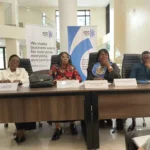
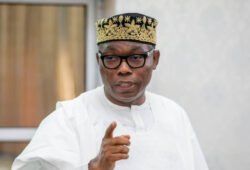
Speaking at a high-level donor facilitation conference in Abuja, Minister of Environment Balarabe Lawal said the government remained fully committed to completing the Ogoni cleanup and to broader environmental restoration across the Niger Delta, but acknowledged that the existing resource base was no longer sufficient to see the project through.
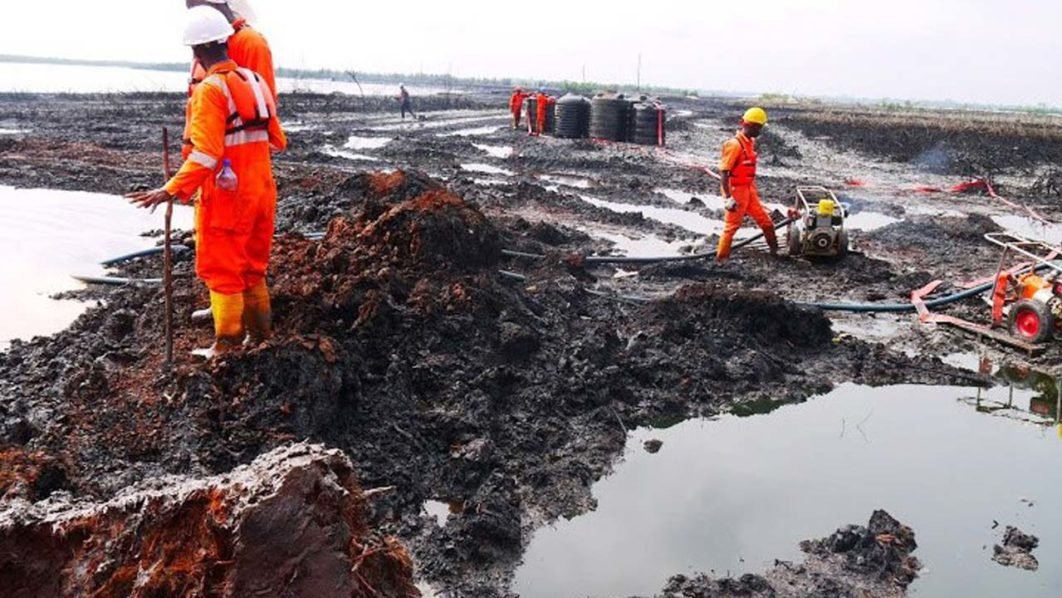
Lawal said the cleanup had already produced significant results: hundreds of hectares of contaminated land had been remediated, potable water schemes had been delivered to affected communities, and large-scale mangrove restoration was under way. But he said these gains needed to be protected and extended through continued funding, monitoring, infrastructure maintenance, and sustained community development, all of which required resources that were not currently available.
HYPREP Project Coordinator Professor Nenibarini Zabbey described the program as one that went far beyond land remediation, encompassing potable water delivery, shoreline restoration, mangrove rehabilitation, healthcare infrastructure, sustainable livelihoods, and research capacity. Zabbey said the project had created more than 7,000 direct jobs, trained more than 5,000 Ogoni youths and women across 21 skill areas with start-up kits, supported 201 cassava farmers, and trained 160 mangrove vanguards who had gone on to train more than 350 additional community members. Postgraduate scholarships had been provided for 100 PhD students and 200 master’s degree students from the Ogoni community, with another 500 approved.
He said 30 of the 65 sites identified in the original United Nations Environment Program assessment had been fully remediated and certified, while 17 medium-risk sites were currently undergoing soil and groundwater treatment.
Emmanuel Deeyah, Chairman of the Board of Trustees of the Ogoni Trust Fund Incorporated, said the project had been running for nearly ten years and had still not received the full one billion dollars that UNEP recommended oil companies contribute every five years for 30 years. Zissimos Vergos, Deputy Head of Delegation of the European Union to Nigeria and ECOWAS, said the scale of contamination was known, the consequences for health, livelihoods, and the dignity of the Ogoni people were profound, and that the remaining distance to full restoration needed to be covered with greater speed, more resources, and stronger international solidarity.