The average daily cost of maintaining a nutritionally adequate diet in Nigeria climbed to 1,541 naira per adult in March 2026, a 1.89 percent increase from February’s figure of 1,513 naira, sustaining a trend that has placed healthy eating beyond reach for a growing share of the population, according to data released by the National Bureau of Statistics.
On an annual basis, the cost rose 4.38 percent from 1,477 naira in March 2025, driven by price increases across most major food groups. Starchy staples and vegetables registered slight price declines in the month, but all other food categories recorded increases.
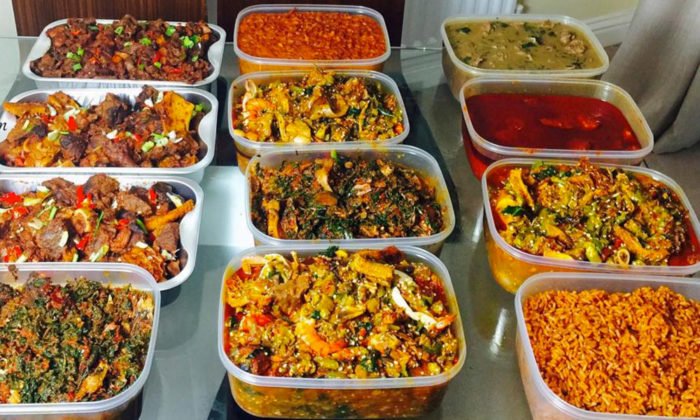
Animal source foods remained the most expensive component of a nutritious diet, accounting for 39 percent of total cost while delivering only 13 percent of calories. Fruits and vegetables were similarly expensive relative to their caloric contribution, accounting for 16 and 14 percent of total cost respectively while contributing only seven and five percent of calories. Legumes, nuts, and seeds were the most affordable food group, representing just seven percent of total daily diet cost.
Geographic disparities remained wide. Ekiti, Imo, and Abia states recorded the highest costs at 2,091, 2,052, and 1,970 naira respectively, while Adamawa, the Federal Capital Territory, and Taraba had the lowest at 1,004, 1,113, and 1,149 naira. At the zonal level, the South-east recorded the highest average cost at 1,899 naira per day, followed by the South-west at 1,801 naira. The North-east remained the most affordable zone at 1,233 naira.
The NBS said the data had direct implications for food security planning, agricultural policy, and the design of social protection interventions, and could help government identify supply bottlenecks in critical food categories requiring targeted support.