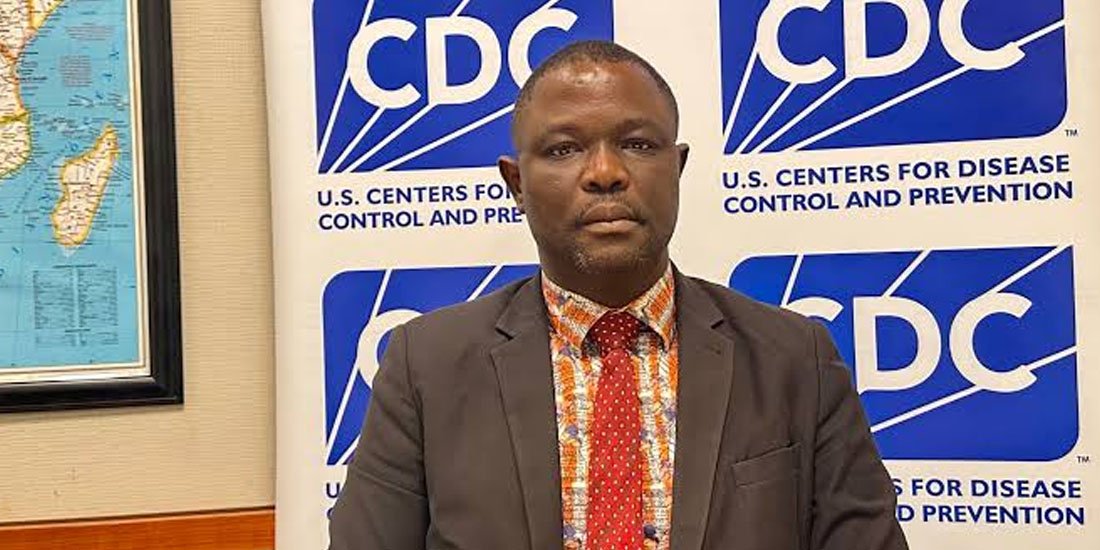
The United States Centre for Disease Control says Nigeria has recorded measurable progress in the fight against the spread of HIV, achieving 96 per cent viral load suppression among patients placed on regular treatment.
Branch Chief for Continuum of Care and Treatment at the US CDC in Nigeria, Dennis Onotu, said in an interview that viral load suppression represents the new global strategy used to prevent continued spread of the virus. According to Onotu, statistics from Nigeria’s national data repository show that as of June 2026, out of 1.5 million people on antiretroviral therapy who had a viral load test in the past 12 months, 96 per cent achieved viral suppression, above the UNAIDS target of 95 per cent. “That is above the UNAIDS target of 95 per cent. But that is programme related suppression. The 95-95-95 UNAIDS targets requires increased testing, treatment adherence, and regular viral load monitoring,” he said.
With Nigeria already above target on suppression among those in care, Onotu said the next priority is finding the people who remain outside the system to ensure no one is left behind in the fight to end AIDS. He said attention must now shift to the remaining four per cent who are on treatment but not suppressed, to determine what is preventing them from achieving control of the virus, adding that reaching people who are HIV positive but unaware of their status has become increasingly critical. “If people don’t know their HIV status, of course, they will not be on treatment and will not be suppressed,” he said.
Onotu warned that failure to achieve viral suppression poses serious risks both to individuals and to public health. He explained that suppression means treatment is working and the virus is under control, but when it is not achieved, the virus continues to replicate and damage the immune system. “For those not on treatment, the virus will keep doing damage until it completely destroys immunity. For those on treatment but not suppressed, it usually means they are not taking their drugs regularly or correctly,” he said, warning that continued replication leaves patients vulnerable to infections that healthy people could easily fight off, including tuberculosis and fungal infections, while also increasing the risk of drug resistance.
Beyond individual health, he said there are broader public health implications, since a person who is not virally suppressed can potentially transmit HIV to others through unprotected sex, exposure to blood, or from mother to child during pregnancy, childbirth and breastfeeding.