United States President Donald Trump has signed two new executive orders aimed at restricting birthright citizenship and curbing birth tourism, renewing his administration’s push to tighten citizenship rules despite a recent Supreme Court setback.
The first executive order expands the categories of non-citizens whose children would not automatically qualify for U.S. citizenship at birth, while the second seeks to ban birth tourism—the practice of foreign nationals travelling to the United States to give birth so their children can obtain American citizenship.
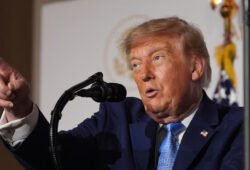
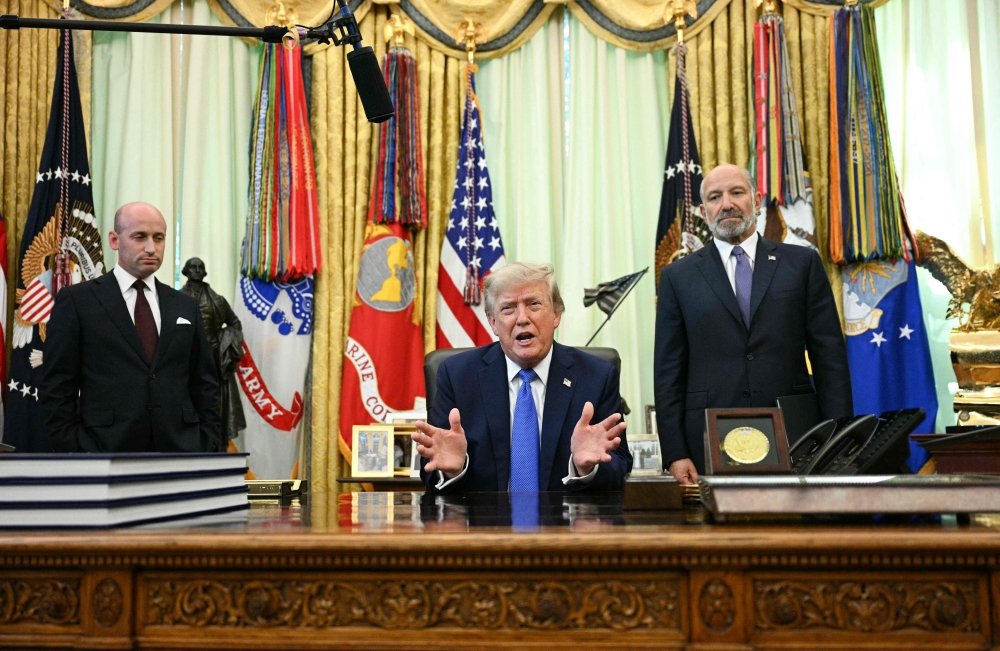
Speaking at the White House, Trump said the measures were necessary to protect the integrity of the country’s immigration system.
“This should have happened years ago, but we’re taking care of it now,” the president said, while criticising the Supreme Court’s decision to block his earlier attempt to end birthright citizenship.
According to the White House, the new order would deny automatic citizenship to children born in the United States to two non-citizen parents where one parent is affiliated with a foreign terrorist organisation, works for a foreign government, attempted to obtain U.S. citizenship through fraud, or resides in a U.S. territory where citizenship is not granted under federal law.
The administration also announced a crackdown on birth tourism, arguing that some foreign nationals exploit the U.S. immigration system by travelling to the country solely to give birth.
White House Deputy Chief of Staff for Policy Stephen Miller said the administration believes the president has the authority under the Immigration and Nationality Act to restrict entry for individuals seeking to engage in birth tourism.
Trump claimed that hundreds of thousands of babies had been born in the United States through the practice. However, estimates by the non-partisan Migration Policy Institute indicate that between 22,000 and 26,000 births annually are linked to birth tourism, with official data showing about 9,600 births to mothers with foreign addresses in 2024.
The latest executive actions come after the U.S. Supreme Court ruled in June that Trump’s earlier executive order seeking to end birthright citizenship under the 14th Amendment could not take effect, leaving the long-standing constitutional guarantee unchanged.
Legal experts say the new measures are likely to face fresh court challenges.
Gabriel Chin, a law professor at the University of California, Davis, said while the president may have authority to restrict entry for people travelling to the U.S. to give birth, the Constitution limits executive power once a child is born on American soil.
“Once a child is born in the United States, I don’t think the president has any power to decide that the child is not a citizen,” Chin said.
The executive orders mark the latest effort by the Trump administration to tighten immigration and citizenship policies, with critics arguing that parts of the measures may face significant constitutional hurdles in the courts.