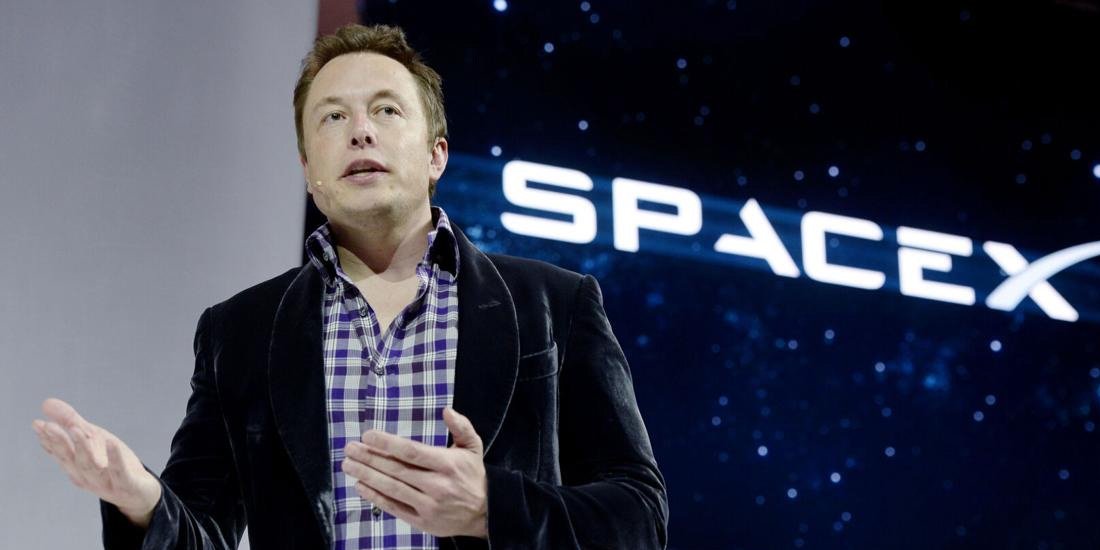
Elon Musk’s SpaceX is set to make its long-awaited stock market debut on the Nasdaq on Friday, in what is expected to be the largest initial public offering (IPO) in history and a milestone that could further expand the billionaire’s business empire.
In a filing with US regulators on Thursday, the company priced more than 555 million shares at $135 each, valuing SpaceX at just under $1.8 trillion. The valuation places the company among the world’s top 10 most valuable firms, ahead of major corporations including Tesla, Meta Platforms and Walmart.
The IPO is expected to raise more than $75 billion, significantly surpassing Saudi Aramco’s $29.4 billion listing in 2019, previously the largest public offering on record. A potential additional sale of nearly 83 million shares could push the total value raised beyond $86 billion.
The company will trade under the ticker symbol “SPCX”, with executives expected to ring the opening bell at Nasdaq headquarters in New York’s Times Square to mark the start of trading.
Founded by Musk in 2002, SpaceX has evolved from a private rocket manufacturer into a dominant player in satellite communications and space infrastructure. The company has also incorporated Musk’s artificial intelligence venture xAI, which includes the social media platform X (formerly Twitter), into its broader corporate structure.
The listing comes at a time when several major artificial intelligence companies, including OpenAI and Anthropic, are also preparing for potential public market entries, intensifying investor focus on the sector.
Strong investor demand
According to reports, investor appetite for the offering has been strong, with the IPO reportedly more than four times oversubscribed. About 20 percent of shares were allocated to retail investors, who also showed significant interest.
If successful, the listing is expected to generate substantial wealth for current and former employees, early investors, and long-term stakeholders, potentially creating thousands of new millionaires and several billionaires.
Ambitious projections and investor concerns
Despite strong market enthusiasm, analysts have raised concerns about SpaceX’s valuation, which is heavily tied to long-term technological ambitions rather than current profitability.
The company has outlined futuristic projects including space-based data centres, human missions to Mars, and the rapid expansion of its Starlink satellite internet network. It also plans to scale its AI initiatives through xAI, which is developing the Grok chatbot to compete with OpenAI and Anthropic.
While SpaceX reported revenue of $18.7 billion in 2025, it also recorded a net loss of $4.9 billion, largely due to heavy investment in infrastructure and artificial intelligence development.
In its filing, the company projected potential long-term revenue exceeding $28.5 trillion across its various business segments, a forecast that has drawn both excitement and scepticism on Wall Street.
Musk’s growing influence
A successful IPO could push Elon Musk closer to becoming the world’s first trillionaire. His personal net worth is currently estimated at $782 billion, according to Forbes, placing him far ahead of other global billionaires.
However, Musk’s expanding influence has also sparked criticism. Speaking ahead of the listing, Nabil Ahmed of Oxfam America warned that “a trillion dollars in the hands of one man is incompatible not only with an affordable economy, but also with a healthy democracy.”
Outside the Nasdaq offices in New York, activists staged a protest featuring a giant inflatable figure of Musk, highlighting concerns over the growing power of tech billionaires and the ethical implications of artificial intelligence technologies linked to his companies.
As trading begins, global markets will be watching closely to see whether investor optimism can sustain what is already shaping up to be one of the most consequential IPOs in financial history.