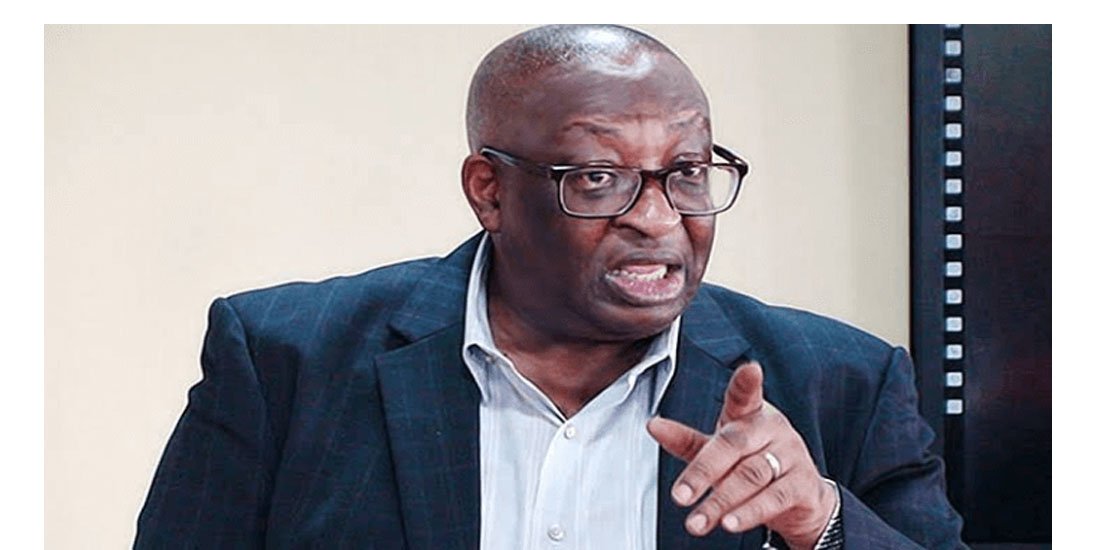
Emeritus Professor of Economics Akpan Ekpo of the University of Uyo has urged Nigerian policymakers to adopt a new development philosophy and pursue policies capable of delivering double-digit growth sustained over 20 years to make a real dent in poverty.
Delivering a lecture titled “The State of the Nigerian Economy, 2015-2026: Dialogue With Citizens,” Ekpo, a former Director General of the West African Institute of Financial and Economic Management, argued that 66 years of trying to build a capitalist market economy had instead produced underdevelopment, mass poverty and hopelessness.
He said the economy was projected to grow 4.49 per cent in 2026, against a current rate of about 4.2 per cent, but stressed that growth was not the same as development and that only sustained double-digit growth over two decades could meaningfully reduce poverty. He called for a shift towards a developmental state philosophy within a market socialist framework, citing China, Singapore, Malaysia and Indonesia as models for home-grown solutions.
Ekpo said per capita income had swung between $2,585 and $868 over the decade, making it unsurprising that about 130 million Nigerians were in multidimensional poverty. He questioned official statistics, suggesting the revised unemployment rate of 4.5 per cent could wrongly signal full employment, and attributed falling inflation partly to the rebasing of the Consumer Price Index, which he said did not reflect market realities.
He said the industrial sector’s share had fallen from 23.71 per cent in 2015 to about 16.78 per cent in 2025, a worrying sign for diversification given that manufacturing underpins structural transformation. He also called the supposed stability of the exchange rate misleading, arguing that genuine stability required an economy producing and exporting non-oil goods to earn foreign exchange.