The first full year running assets it acquired from Nigerian Agip Oil Company has been good to Oando Plc, which closed 2025 with N204.8 billion in profit after tax and N258.3 billion in operating cash flow, as daily production climbed 32 percent to 32,482 barrels of oil equivalent.
Oando frames the year as a pivot point, from the acquisition led expansion that defined its recent growth to a phase focused on operational execution and balance sheet discipline, now that NAOC Joint Venture assets have delivered their first full year of contribution. The numbers back that up: cash and equivalents ended the year at N422.9 billion, up 172 percent from 2024, while the company also widened its Reserve Based Lending facility to $375 million to shore up liquidity. Crude trading volumes rose 24 percent to 25.7 million barrels, crude oil output climbed 36 percent, gas output rose 24 percent, and natural gas liquids output surged an eye catching 715 percent after upgrades to gas processing infrastructure. The company also brought its Obiafu 44 gas condensate well onstream, its first operated development well since taking over the assets, doing so with zero fatalities, zero lost time injuries and a total recordable incident rate of just 0.05.
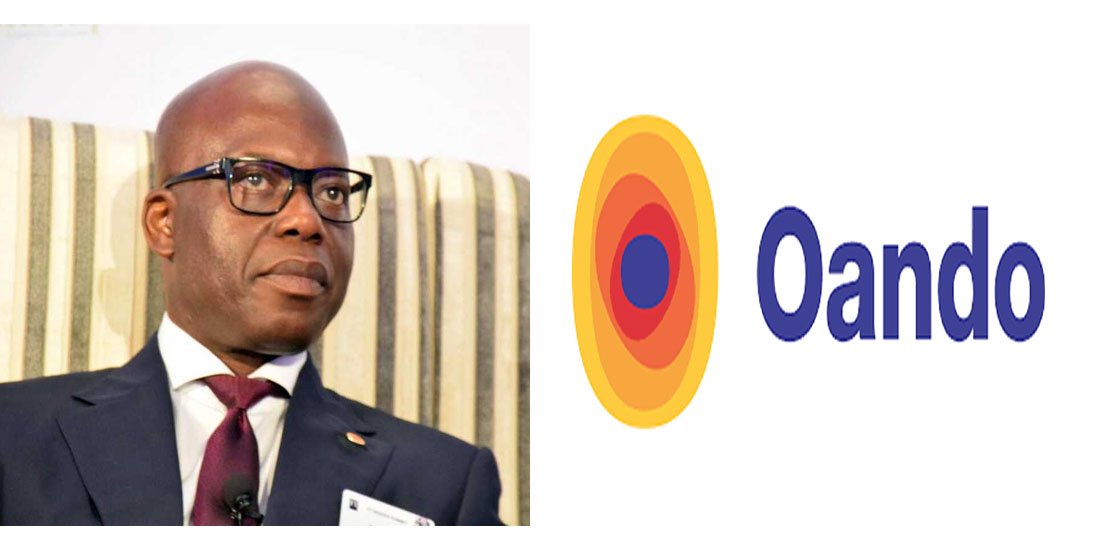
Group Chief Executive Wale Tinubu said the integration phase is now behind the company, with attention shifting fully to operatorship, efficiency and squeezing value out of the enlarged portfolio, crediting stronger asset integrity, better security and improved uptime for the production gains. He pointed to a revamped NGL processing plant as the reason behind the 715 percent liquids jump, and to the Obiafu 44 well as proof the company can safely execute complex projects on its own. On the trading side, he said Oando deliberately shifted away from premium motor spirit imports toward higher margin crude oil and gas trading, a strategic pivot that helped grow volumes even as domestic market conditions shifted.
Oando frames its own results, alongside strong 2025 showings from Seplat Energy and Aradel Holdings, as part of a broader shift in Nigeria’s upstream sector, where indigenous companies are increasingly proving they can acquire, integrate and run assets that international oil majors are divesting. Looking to 2026, Tinubu said the company enters the year with firmer operational control, a stronger reserves base and more financial flexibility than it has had in years, targeting production of 40,000 to 50,000 barrels of oil equivalent per day, supported by development across Oil Mining Leases 60 through 63 and capital spending of $90 million to $100 million, alongside crude trading volumes expected to hit 30 million to 35 million barrels and continued investment in electric buses, recycling and gas to power projects. Oando trades on both the Nigerian Exchange and the Johannesburg Stock Exchange.