The Nigerian Communications Commission is recruiting an unlikely ally in its fight to protect telecommunications infrastructure: the country’s own student body, which the commission says has a direct stake in keeping the networks that power their education and digital lives intact.
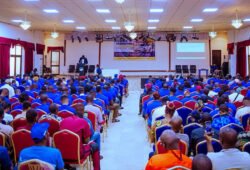
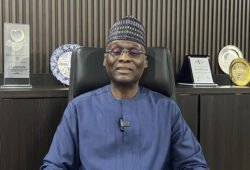
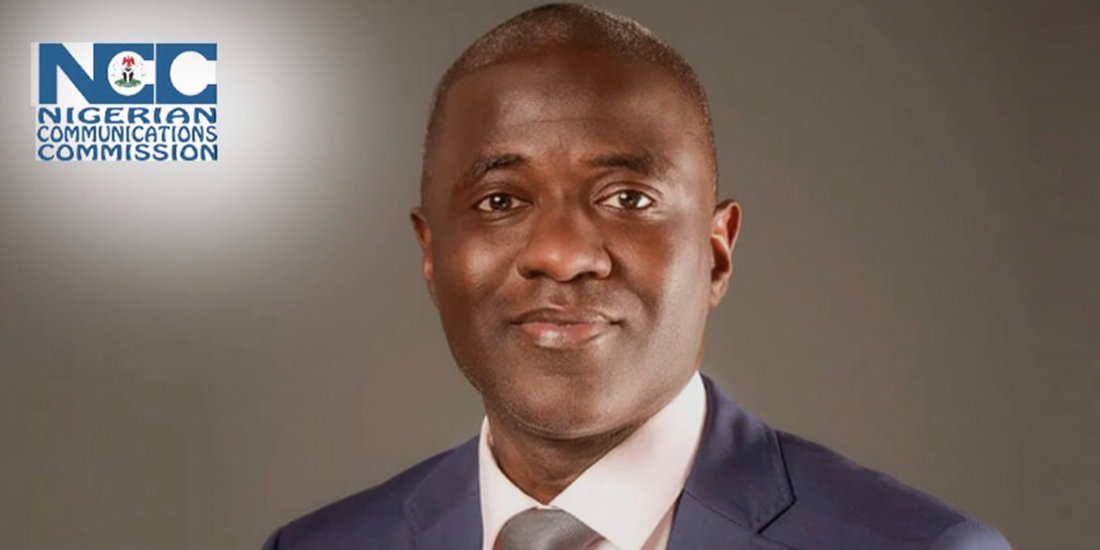
Executive Vice Chairman Aminu Maida made the case during a courtesy visit from the newly elected leadership of the National Association of Nigerian Students at the commission’s Abuja headquarters. Represented by Director of Public Affairs Nnenna Ukoha, Maida congratulated new NANS President Akinteye Babatunde and the association’s executive council, praising the peaceful transition and the relationship between the commission and the student body, which he said has flourished through dialogue and mutual respect over the years. He urged students to stay engaged in the commission’s public consultations on regulatory and consumer issues so their interests shape policy directly.
The threats to infrastructure, Maida said, are concrete and costly: vandalism of telecoms facilities, theft of fibre optic cables and network equipment, outright destruction of infrastructure, and disputes over right of way, all of which chip away at service quality nationwide. He asked NANS to help spread awareness among students, in and out of educational institutions, about why these networks matter, calling them the backbone of Nigeria’s digital economy and central to learning, research and communication. He also used the visit to outline commission initiatives aimed at students specifically, including infrastructure rollout through the Universal Service Provision Fund, new Digital Parks in tertiary institutions and a proposed framework, still under consultation, that could let students access approved educational platforms without data charges under certain conditions. On consumer protection, he pointed students toward resources on the commission’s website covering data management, their rights and how to file complaints.
NANS President Babatunde thanked the commission for a relationship he called consistently productive, crediting its openness to dialogue with encouraging the association toward peaceful, responsible advocacy on national issues.