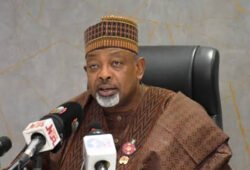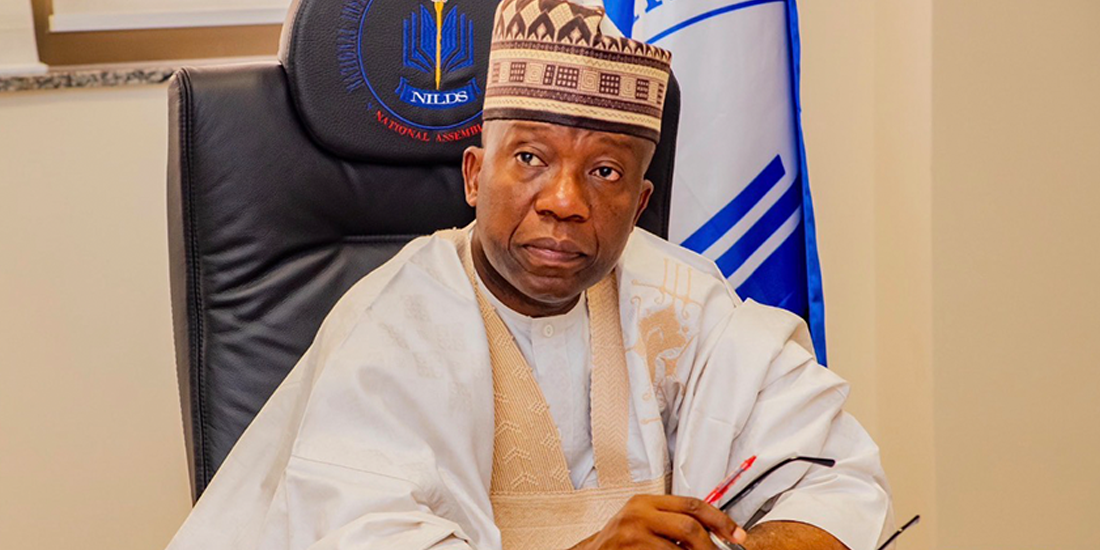
Director General of the National Institute for Legislative and Democratic Studies Abubakar Sulaiman has warned that state police could be abused by governors against political opponents if constitutional and institutional safeguards are weak.
Sulaiman said he supported the idea of decentralized policing as a possible response to Nigeria’s security challenges but believed the design of the system would determine whether it improved safety or created new political risks.
He argued that direct gubernatorial control of police formations could become problematic in states where political institutions remained weak.
The NILDS chief linked his concern to disputes over local government autonomy and to the conduct of state level elections.
He alleged that some governors had failed to respect judicial decisions or provide fair political space for opposition parties.
Those allegations were presented as Sulaiman’s assessment and were not independent findings about every state government.
He questioned whether officials accused of using state institutions for partisan purposes should also receive broad control over police powers.
State police has become one of the most debated constitutional reform proposals in Nigeria.
Supporters argue that decentralization would improve local intelligence, response time and accountability because state authorities are closer to communities.
Critics fear that governors could use state controlled forces for intimidation, election interference or suppression of opponents.
Sulaiman said the debate should therefore focus not only on whether state police should exist but also on command structure, funding, oversight, recruitment and protections against political interference.
The challenge for lawmakers is to design a system that improves security without weakening civil liberties or democratic competition.