Niger Republic’s military government says security forces have regained control after mutinying soldiers attacked key locations in Niamey, triggering hours of gunfire and explosions in the capital.
The unrest affected areas around the presidential palace, a military base and the airport and briefly disrupted state television.
Tele Sahel went off air for just over an hour before transmission resumed later in the morning.
A security source said mutinying soldiers attempted to enter the presidential palace but were repelled by the presidential guard.
Defence Minister Salifou Mody said a group of soldiers held some personnel hostage at a barracks and opened fire on sensitive sites.
He said the response by defence and security forces allowed the authorities gradually to regain control.
The minister called on residents to remain calm and continue their normal activities.
The government’s account was presented through official statements and security sources.
The precise number of mutineers, any casualties and the full motive for the attempted action were not immediately clear from the material supplied.
Residents reported heavy gunfire and explosions around Base 101 near Niamey airport beginning in the early hours.
Witnesses also reported sporadic shooting in areas west of the capital.
Armoured vehicles were seen moving toward the airport area.
By late morning, residents near the presidential palace said the shooting had subsided.
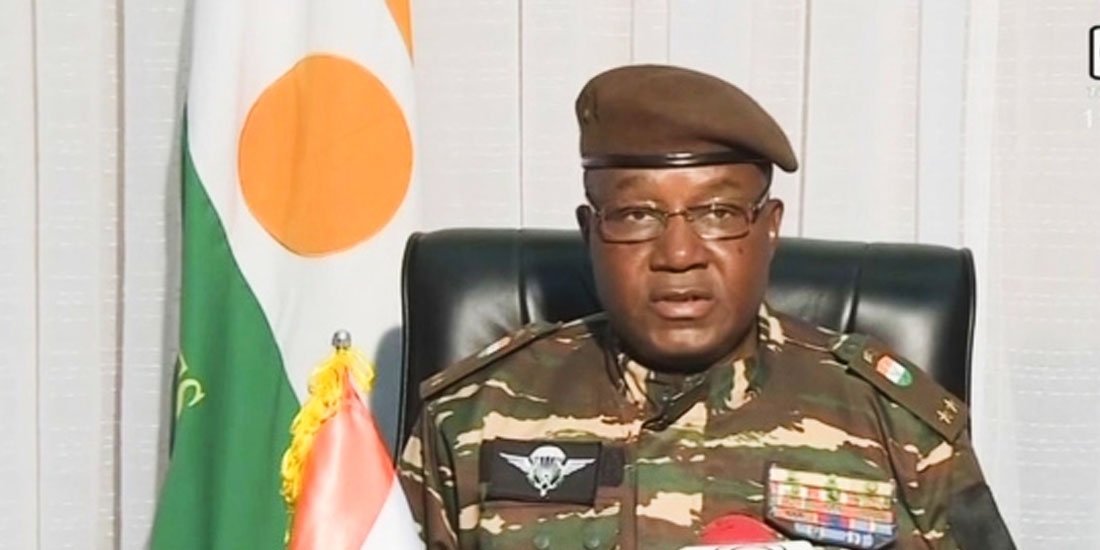
An African diplomat in Niamey said the presidential guard remained loyal to military ruler Abdourahamane Tiani.
Niger has been under military rule for about three years and continues to face major security pressures from jihadist groups operating across the Sahel.
Niamey airport has been targeted twice this year.
Authorities said Islamic State in the Sahel attacked the facility in January, while the Group for the Support of Islam and Muslims carried out another assault in June.
The two jihadist groups are both active in the region and compete for influence while attacking civilians, security forces and strategic infrastructure.
The latest incident appears different from those jihadist attacks because the government described it as an internal mutiny involving members of Niger’s armed forces.
Although the junta said it had restored control, the episode underlined continuing political and security fragility in a country already confronting insurgency and regional isolation.