House of Representatives Ad Hoc Committee on Mineral Exploitation, Security and Anti Money Laundering Chairman Sanni Egidi Abdulraheem has warned that illegal mining, weak enforcement of existing law and widespread money laundering are stopping Nigeria from benefiting fully from its mineral wealth, worsening insecurity and depriving the country of critical revenue in the process.
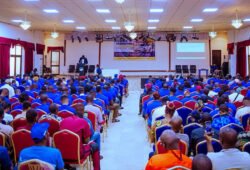
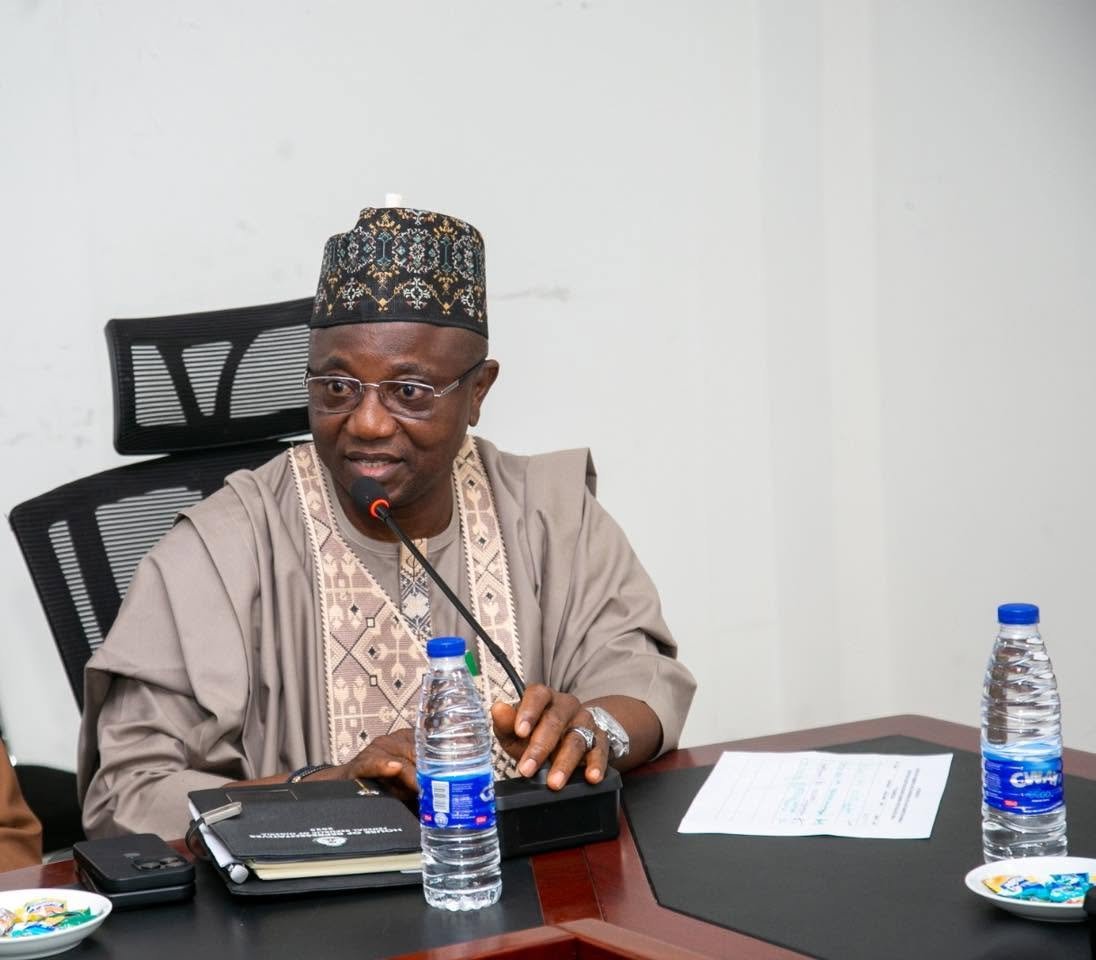
Speaking at a High Level Stakeholders Workshop on Extractive Industry Governance at the National Assembly, Abdulraheem explained that the House established the ad hoc committee to investigate illegal mineral exploitation nationwide, track illicit financial flows linked to the sector, evaluate security around mining communities and propose governance reforms. He said that despite Nigeria’s abundant gold, lithium, tin, coal, tantalite and other strategic mineral deposits, the country’s resource wealth has failed to deliver meaningful benefit to citizens because of widespread illegal activity, blaming illegal mining operations, weak regulatory enforcement and laundering of proceeds that rightly belong to Nigerians for turning many mineral rich communities into conflict prone areas rather than engines of development. The committee, he said, is mandated to investigate the scale and trends of illegal mining nationwide, trace the financial networks used to conceal illicit proceeds, assess whether security arrangements in mining communities are adequate, and evaluate how effectively existing laws and regulatory institutions are tackling the problem, and has already begun consultations with relevant agencies, prepared to compel cooperation where necessary since effective oversight requires openness and accurate information rather than confrontation.
Abdulraheem said the committee’s early findings show illegal mining is a multifaceted problem no single institution can solve alone, cutting across law enforcement, national security, financial intelligence, governance and community livelihoods, making collaboration among regulators, security agencies, financial intelligence bodies, state governments, traditional institutions, licensed operators and civil society essential. He urged the Federal Ministry of Solid Minerals Development and the Nigeria Mining Cadastre Office to work closely with the committee given the importance of their licensing records and regulatory data to sustainable reform, and appealed to the Nigeria Security and Civil Defence Corps and its Mining Marshals unit to openly flag operational gaps requiring legislative intervention. He also called on the Nigerian Financial Intelligence Unit and the Economic and Financial Crimes Commission to intensify efforts tracing and blocking illicit financial flows tied to illegal mining, noting such proceeds often pass through bank accounts, shell companies and cross border channels that proper investigative tools and political will can uncover, and appealed to state governments and traditional institutions to supply credible intelligence from mining communities, describing them as the first line of information on illegal activity. He assured licensed operators the investigation is meant to protect legitimate investment and lawful mining rather than target compliant businesses, and acknowledged the contributions of civil society and the media in promoting transparency and public awareness within the sector, saying the workshop’s submissions and recommendations would shape the committee’s final report and that its objective goes beyond identifying problems toward developing legislative, regulatory, security and administrative reforms built to outlast the committee itself and successive administrations.
Declaring the workshop open, Speaker Tajudeen Abbas called the committee’s assignment one of the most significant national responsibilities currently underway, arguing that illegal exploitation of Nigeria’s mineral resources by unpatriotic individuals has deprived the country of enormous revenue and weakened its sovereignty, and that Nigeria cannot achieve meaningful economic diversification, fiscal stability or sustainable job creation while the solid minerals sector, which should serve as a major alternative revenue source, continues to suffer from illegality and opacity. He said the workshop was designed to gather credible evidence, expert opinion and practical recommendations from regulators, security agencies and operators to inform the House’s legislative decisions, stressing the exercise is a collaborative engagement rather than a blame finding investigation.
Representing the Nigeria Governors Forum, Fatima Usman Katsina commended the committee’s commitment to the sector’s pressing issues, stressing the need to close gaps between policy formulation and legislation, and disclosed the Forum is already collaborating with the Federal Ministry of Solid Minerals Development to harness the mining industry’s potential for both national and state level economic development. Nigeria Security and Civil Defence Corps Commandant General Ahmed Abubakar Audi, represented by Mining Marshals Commander Attah John Onoja, called for a special court to speed up prosecution of illegal mining offenders, describing illegal mining as a major driver of insecurity, organised crime and illicit financial flows, disclosing that Mining Marshals have arrested more than 671 suspects since 2024, with 397 already arraigned, operations that have closed several illegal mining sites, strengthened regulatory compliance and contributed to a 337 percent increase in mining revenue, while appealing for more funding for drones, CCTV surveillance, a national mining situation room, and stronger logistics, manpower and legislative backing to sustain the fight.