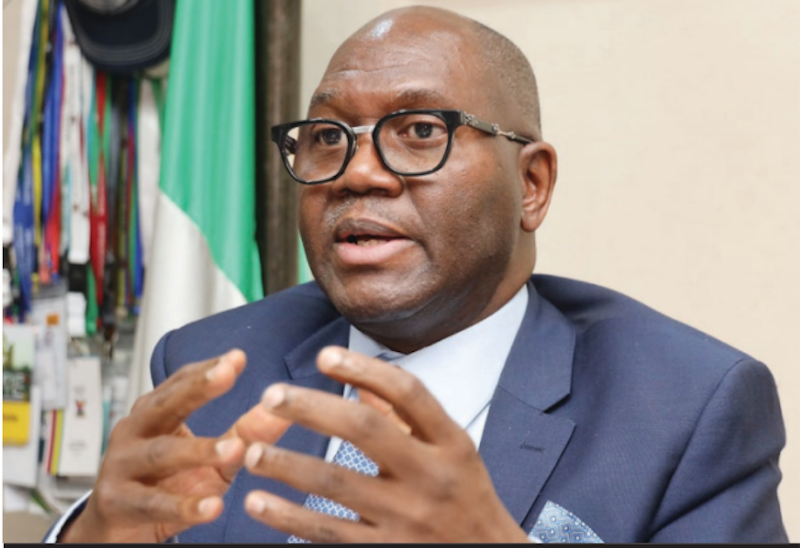
Executive Chairman of the Lagos State Internal Revenue Service, Dr. Ayodele Subair, has credited the remarkable transformation of tax administration and revenue generation in Lagos State to the bold and farsighted institutional reforms initiated by President Bola Tinubu during his tenure as governor, describing the decision to grant operational autonomy to the revenue service as the single most consequential governance decision that made the state’s current revenue performance possible.
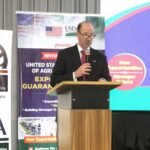
Subair made the declaration at the gala night closing the 159th Meeting of the Joint Revenue Board held in Lagos, where tax administrators and revenue stakeholders from across the country gathered for four days to examine ways to strengthen tax systems, improve compliance, and deepen revenue generation across all levels of government.
He said that Tinubu’s decision to grant the Lagos State Internal Revenue Service full operational independence had created the conditions under which a culture of professional revenue administration could take root and flourish, describing the model as one that had since been replicated across multiple states in Nigeria.
“This story of taxation in Lagos was started seriously by our present President, Asiwaju Bola Ahmed Tinubu, who deemed it fit to give autonomy to the Lagos State Internal Revenue Service. From then on, things changed. His model is copied in most of the states in Nigeria. We are seeing the benefits of that vision that this great Nigerian had,” he said.
Subair noted that Lagos had sustained the momentum through successive administrations, with visible investments in transportation, urban renewal, and other public infrastructure funded directly from taxes paid by residents. He commended Governor Babajide Sanwo-Olu for delivering robust infrastructure development, citing the multimodal transportation system encompassing rail, road, and water transport as a defining element of the current administration’s legacy.
He argued that voluntary tax compliance in Lagos had continued to rise because residents could directly observe how their contributions were being utilised in the form of tangible public goods and services, creating a virtuous cycle between payment and visible development.
“In Lagos especially, tax compliance is moving at a much higher pace than that of the rest of the country. That is because people can see where their money is going,” he said.
The 159th Meeting of the Joint Revenue Board, formerly known as the Joint Tax Board, ran from April 20 to April 23 in Lagos and included a session of the Finance and General Purpose Committee, an Education Committee meeting, and an excursion during which delegates rode the Lagos Blue Line Rail from Marina to Mile 2 and visited Eko Atlantic City as concrete demonstrations of what tax revenues delivered through principled governance could accomplish.