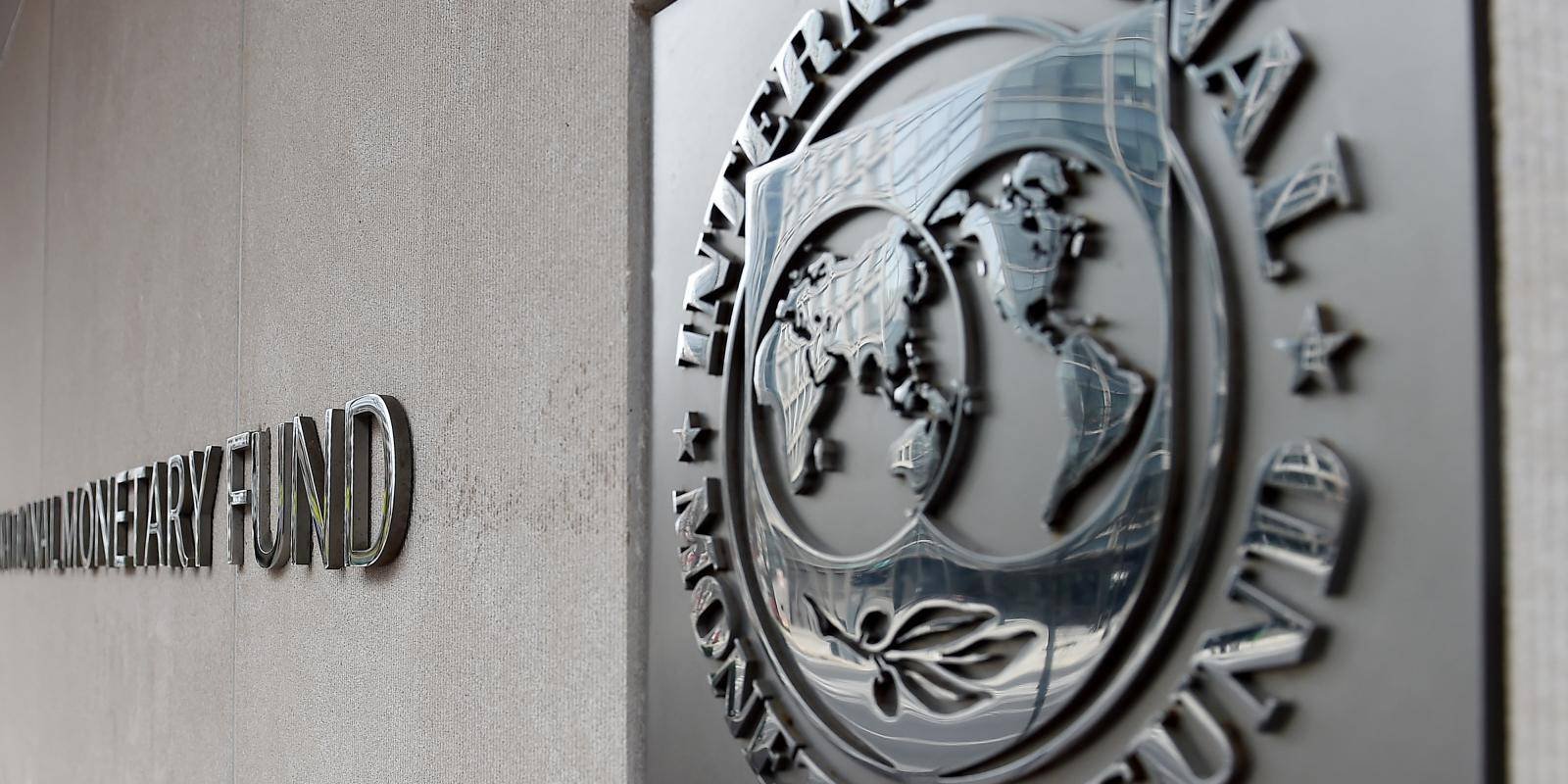
A potentially transformative shift in how the International Monetary Fund selects its Managing Director may have begun, following an unprecedented consensus among member countries to formally endorse language calling for a more open, inclusive, merit-based, and transparent leadership selection process, in what analysts described as one of the most consequential governance reform signals seen within the institution in recent decades.
The development was embedded in the Diriyah Guiding Principles on IMF Quota and Governance Reforms, adopted at the 53rd Meeting of the International Monetary and Financial Committee during the recent IMF-World Bank Spring Meetings in Washington, which stated that the selection process of the Managing Director should uphold an open, inclusive, merit-based, and transparent procedure.
For analysts familiar with IMF governance history, the significance lay not merely in the wording but in the process by which it was adopted. IMFC communiques are adopted strictly by consensus, meaning the United States, European countries, emerging economies, and developing nations all agreed to the new language, effectively introducing a formal institutional principle that could reshape future leadership contests at the Fund.
The unwritten convention that the IMF Managing Director should be European while the United States designates the World Bank president has existed since 1945, with both major institutions resisting explicit discussions of reform within official governance bodies. The Diriyah Principles represent a formal break with that resistance.
Saudi Arabia’s Deputy Finance Minister, Dr. Ryadh Alkhareif, who serves as Deputy Chair of the IMFC, was described by observers as having played a critical role in pushing for the reform language. The development reflected Saudi Arabia’s growing role in global multilateral diplomacy and its strategy of positioning the kingdom as a bridge between advanced economies and the Global South.
Analysts noted that while the new language did not automatically end Europe’s dominance over IMF leadership, it created a formal institutional basis for future demands for genuinely competitive global selection processes, particularly from emerging and developing economies that now accounted for a significant share of global growth but had historically had limited influence over the Fund’s governance structure.