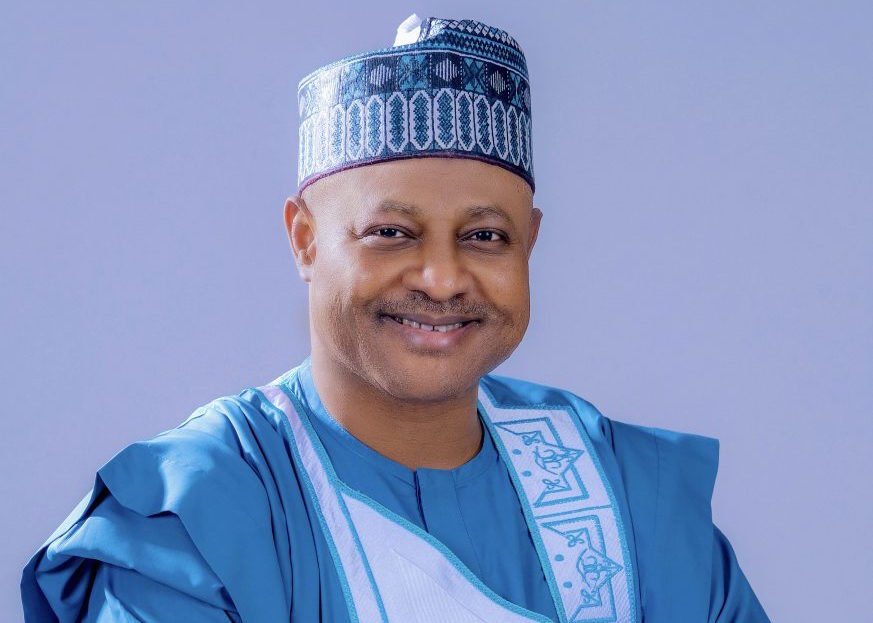
Kaduna State Governor Uba Sani has offered a candid assessment of the situation he inherited upon taking office, acknowledging that while the state possessed immense potential, it was simultaneously burdened by serious security challenges, significant infrastructure deficits, and weak social indicators that demanded urgent and sustained attention.
Speaking at a workshop for senior government officials organized by the Nigerian Institute of Public Relations during its Public Relations Week event in Kaduna, Sani described the governance model his administration had chosen: one driven by measurable outcomes, accountability frameworks, and a deliberate move beyond incremental reforms.
He said the administration had institutionalized a performance management system built around key performance indicators, ensuring that every ministry, department, and agency operated with clarity of purpose and was held accountable for its results. The governance agenda was structured around seven interconnected pillars: security, infrastructure development, institutional strengthening, trade and investment, agriculture, human capital development, and citizen engagement.
On security, Sani described it as the foundation on which all other development depended, highlighting collaboration with federal authorities to establish military bases in historically troubled areas including Giwa, Birnin Gwari, and Southern Kaduna. He said enhanced logistics support and the deployment of a Joint Task Force had contributed to a reduction in crime in urban centres.
The governor also reported that over 20,000 hectares of previously inaccessible farmland had been reclaimed, enabling farmers to return to productive activity. More than 1,000 displaced persons had been resettled, and the administration was continuing to support over 117,000 internally displaced people, with particular attention to women and children.
The Kaduna Incident Report Centre now provides a 24-hour real-time emergency response platform, while early warning systems had been put in place to detect and defuse tensions before they escalated. Additional investments included the establishment of a forensic laboratory, the development of peace dialogue mechanisms, and rehabilitation programmes under what the governor described as the Kaduna Peace Model.
In education, Sani reported the construction of 736 classrooms, renovation of more than 1,200 schools, recruitment of 10,000 teachers, and training of over 33,000 education personnel as key indicators of progress in a sector that had historically struggled to meet demand.