The financial toll of the United States military campaign against Iran has climbed to an estimated $25 billion, according to the first official Pentagon estimate of the conflict’s price tag, as global oil prices surged to approximately $119 per barrel amid deepening fears of prolonged supply disruptions, and the Dangote Refinery moved to raise the ex-depot price of petrol to N1,275 per litre in Nigeria.
Senior Pentagon official Jules Hurst disclosed the $25 billion figure to members of the House Armed Services Committee, noting that the bulk of the expenditure had gone toward munitions. The revelation drew a sharp response from senior Democratic lawmaker Adam Smith, who noted that lawmakers had been seeking an official cost estimate for a considerable period without receiving an answer.
The United States commenced military strikes against Iran on February 28, and the two sides are currently holding under a fragile ceasefire arrangement. The Pentagon has deployed tens of thousands of additional troops to the Middle East, maintaining three aircraft carriers in the region throughout the conflict. Thirteen American service members have been killed and hundreds wounded.
President Donald Trump, meanwhile, rejected Iran’s proposal to reopen the Strait of Hormuz and lift the naval blockade, insisting that any settlement must first include guarantees on curbing Tehran’s nuclear programme. “They can’t have a nuclear weapon,” Trump said in a phone interview with Axios, describing the blockade as more effective than the bombing campaign. “The blockade is somewhat more effective than the bombing. They are choking like a stuffed pig. And it is going to be worse for them,” he added.
The Wall Street Journal reported that Trump had instructed aides to prepare for an extended blockade of Iranian ports, having concluded that continuing the economic squeeze was less risky than either resuming full-scale bombing or walking away from the conflict entirely.
Brent crude climbed to $119 a barrel, a near seven percent single-day rise and the highest point reached so far this month. Oil prices have experienced sharp swings since hostilities began, as the Strait of Hormuz, which normally carries approximately a fifth of the world’s oil and liquefied natural gas supply, has been effectively closed for weeks. Iran had warned that any vessel approaching the strait would be targeted, while the United States announced that its forces would intercept or turn back ships travelling to or from Iranian ports.
The World Bank forecast that energy prices would surge by 24 percent in 2026 to their highest level since Russia’s full-scale invasion of Ukraine, even under the optimistic scenario that the most acute disruptions caused by the conflict end in May.
Inside Iran, the economic damage was mounting rapidly. The Statistical Centre of Iran reported annual inflation had risen to 53.7 percent, the national currency had fallen to a record low, and approximately two million Iranians had lost employment either directly or indirectly as a consequence of the war.
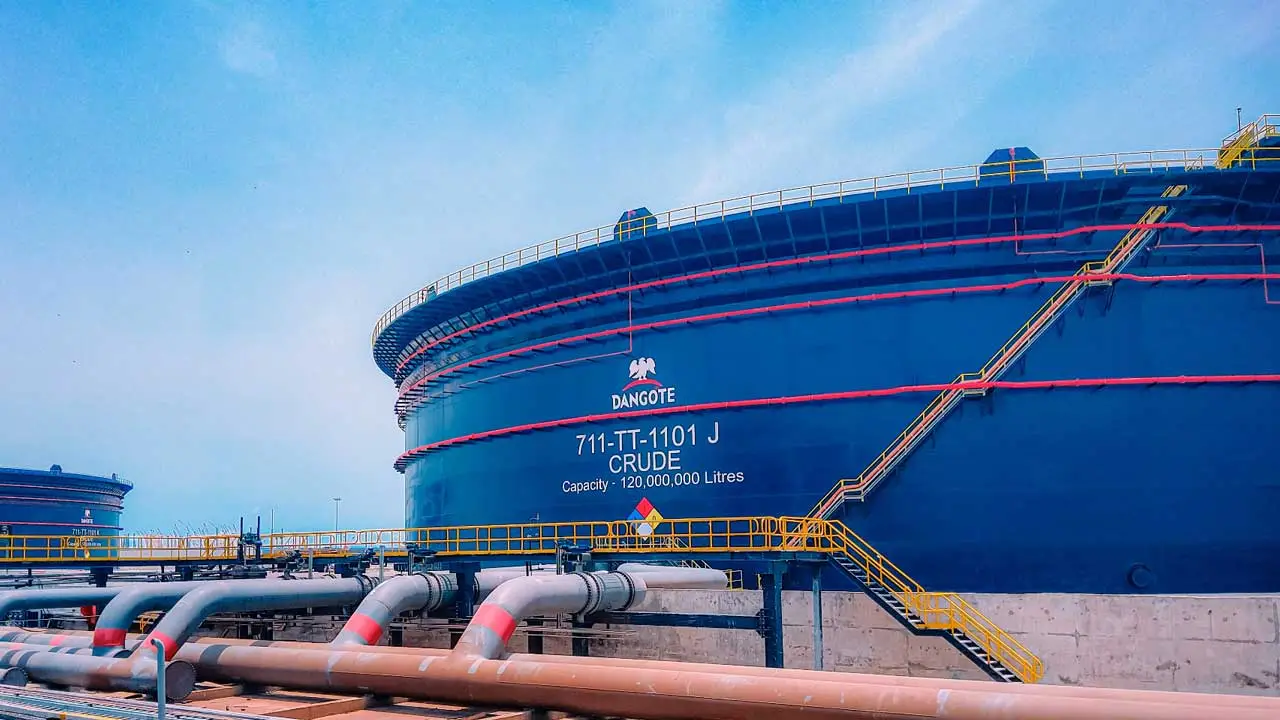
In Nigeria, the Dangote Refinery raised its petrol loading price from N1,200 per litre to N1,275 per litre, with coastal supply prices climbing to N1,215 per litre, sending fresh pressure through the downstream fuel market. The N75 per litre increase at the depot level directly reflects the spike in crude prices and associated supply costs, with knock-on implications for pump prices across the country.
Trump’s public approval ratings continued to deteriorate under the weight of the conflict’s economic consequences. Just 34 percent of Americans supported the military campaign against Iran in a recent Reuters/Ipsos poll, down from 36 percent in mid-April and 38 percent in mid-March, with Democrats riding high in public opinion polls as they sought to link the unpopular war to worsening household affordability ahead of November midterm elections.