African leaders, ministers, and development partners have opened the 12th Africa Regional Forum on Sustainable Development in Addis Ababa with a forceful call for transformative and coordinated continental action to accelerate progress toward both the 2030 Agenda for Sustainable Development Goals and Agenda 2063, warning that the pace of progress remained dangerously inadequate with less than four years remaining to meet global targets.
The forum, convened under the theme “Turning the Tide: Transformative and Coordinated Actions for the 2030 Agenda and Agenda 2063,” brought together ministers, senior government officials, regional institutions, United Nations entities, civil society organizations, private sector representatives, and development partners to review Africa’s development trajectory and shape the continent’s common position ahead of global sustainable development processes including the High-Level Political Forum.
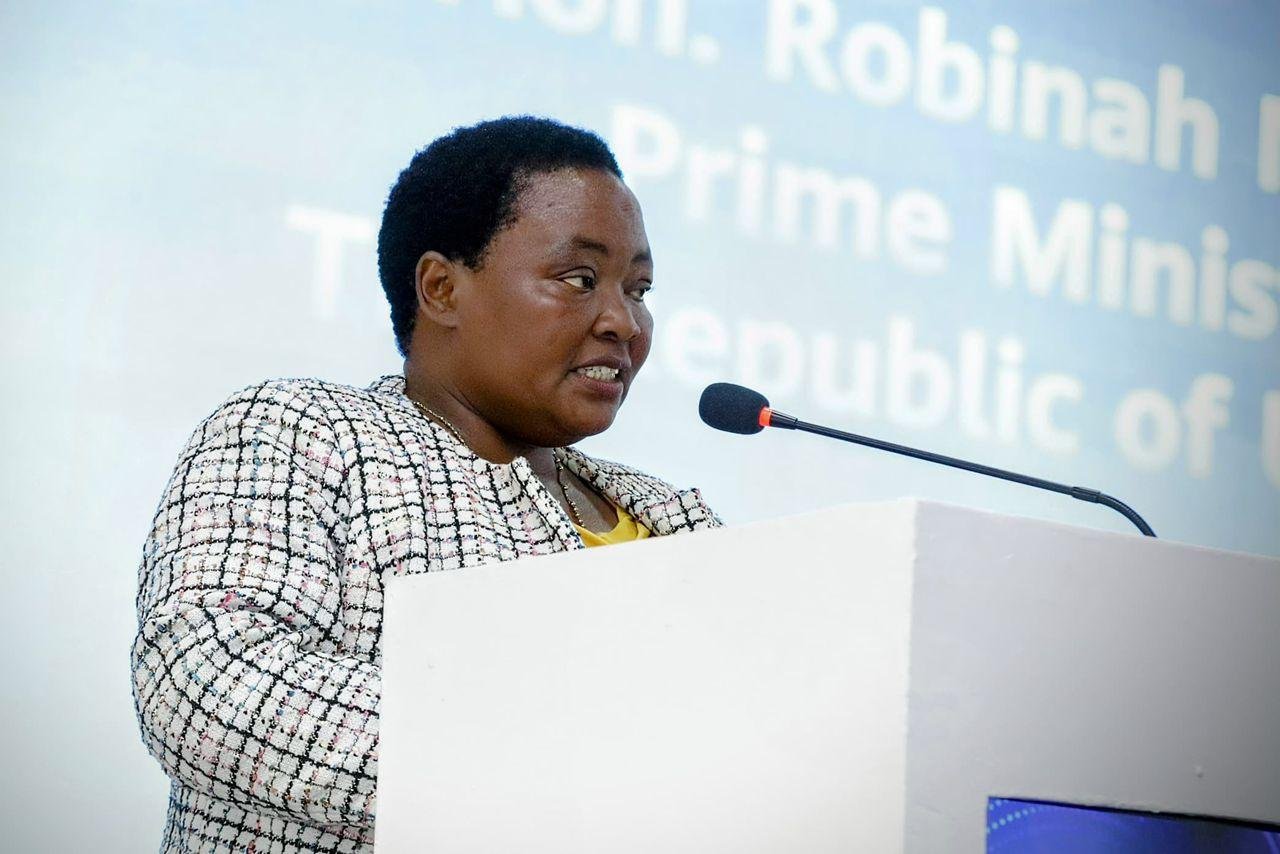
Opening the forum, Uganda’s Prime Minister Robinah Nabbanja, who chaired the Bureau of the preceding forum, called on the continent to move with far greater urgency from policy commitments to concrete and measurable results. “With only four years remaining to 2030, we must move with urgency from commitments to concrete, measurable results. We must leverage science, technology and innovation, regional integration, innovative financing and strong partnerships,” she said.
She recalled the adoption of the Kampala Declaration and the Key Messages to the High-Level Political Forum in 2025, and noted that the Bureau had remained actively engaged over the past year through four meetings aimed at sustaining implementation momentum. She highlighted progress in aligning national development plans with the SDGs, expanding data systems for evidence-based planning, and strengthening coordination mechanisms, while warning that financing gaps, climate vulnerability, and the need to scale up innovation remained major obstacles.
She emphasized that foundational development enablers, including transport and logistics infrastructure, reliable and affordable energy, and a competitive business environment, were not optional but essential to realizing the African Continental Free Trade Area. “These enablers are not optional. They are fundamental to the full realization of the AfCFTA and to positioning Africa as a competitive and integrated economic bloc,” she said.
Speaking on behalf of the African Union Commission Chairperson, Deputy Chairperson Selma Malika Haddadi described the forum as arriving at a decisive moment when progress across many African countries was not advancing at the pace required to meet the SDGs by 2030. She said the year’s focus on five development goals, namely clean water and sanitation, affordable and clean energy, industry and infrastructure, sustainable cities, and partnerships for the goals, was strategic and timely given their foundational role in enabling broader sustainable development.
She reported progress in domesticating the Second Ten-Year Implementation Plan of Agenda 2063, including advances in infrastructure development, regional integration, and digital transformation through flagship initiatives such as the AfCFTA. However, she warned that major challenges persisted in sustainable development financing, youth employment, climate resilience, and inequality within and between countries.
Participants are expected to develop concrete and actionable recommendations to strengthen Africa’s unified voice in global sustainable development processes and accelerate implementation at national, regional, and continental levels.