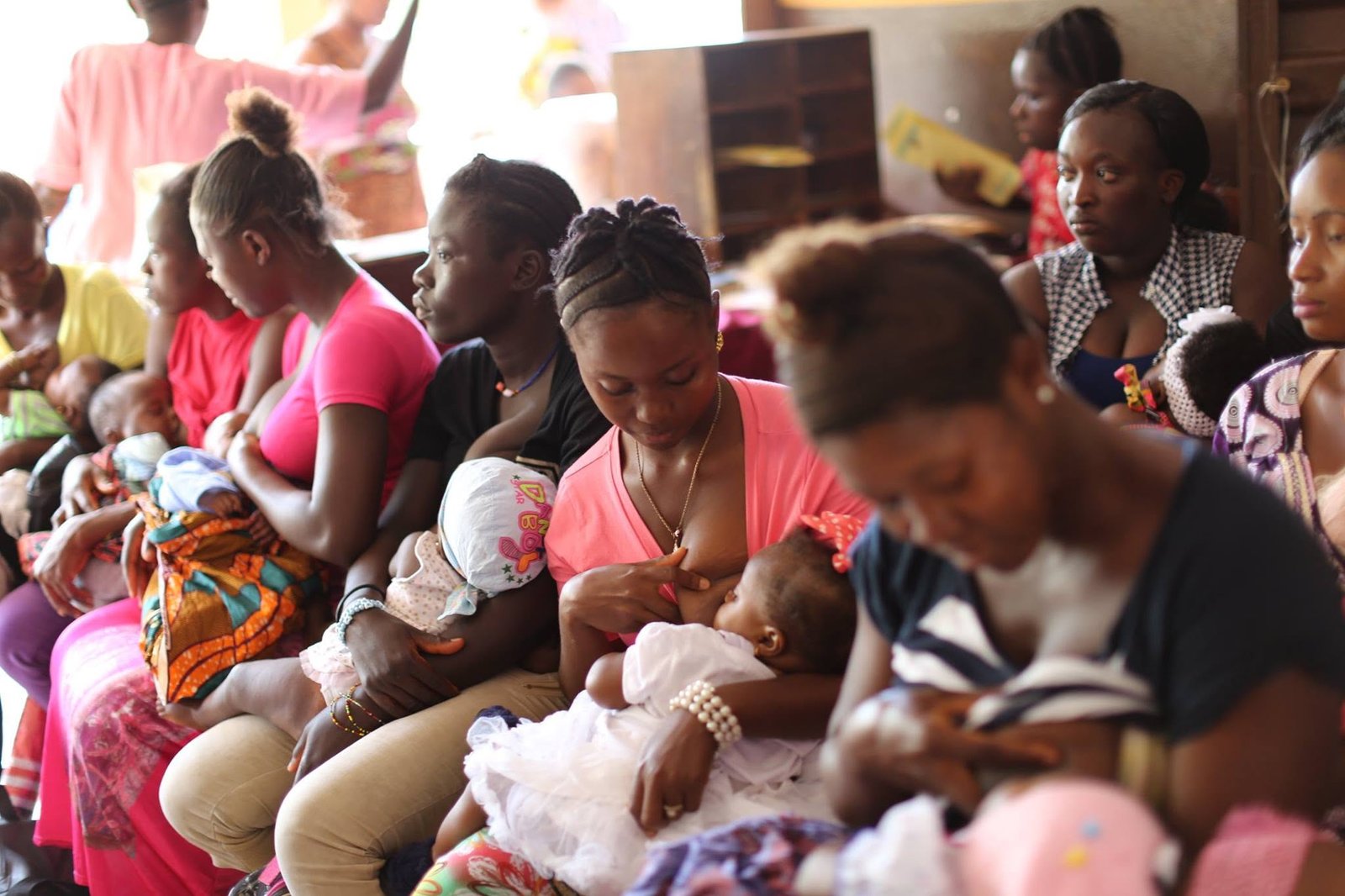
The Federal Government has expressed concern over the low rate of exclusive breastfeeding in Nigeria, revealing that only 36 per cent of mothers practise exclusive breastfeeding despite its proven health benefits for infants and mothers.
The disclosure was made during activities marking the 2026 World Breastfeeding Week, themed “Breastfeeding for a Sustainable Start in Life: Strengthen What Works,” in Abuja.
Permanent Secretary of the Federal Ministry of Health and Social Welfare, Daju Kachallom, said findings from the 2023/2024 Nigeria Demographic and Health Survey (NDHS) showed that although 95 per cent of Nigerian mothers breastfeed, only 36 per cent initiate breastfeeding within the first hour after birth, while just 29 per cent exclusively breastfeed their babies for the first six months. Only 23 per cent continue breastfeeding up to two years.
She described breastfeeding as one of the most effective and cost-efficient interventions for improving child survival, nutrition, immunity and cognitive development, stressing that Nigeria must intensify efforts to meet World Health Organization (WHO) and UNICEF recommendations.
Kachallom also identified delayed breastfeeding, harmful cultural practices, inadequate counselling, limited workplace support and the aggressive marketing of breastmilk substitutes as major barriers to optimal breastfeeding. She noted that only 21 states currently provide six months of maternity leave.
Representing Vice President Kashim Shettima, Senior Special Assistant to the President on Public Health, Uju Rochas-Anwukah, described exclusive breastfeeding as a critical investment in Nigeria’s human capital, urging mothers to embrace the practice for the healthy development of their children.
The Vice President reiterated the Tinubu administration’s commitment to prioritising child health, noting that the first 1,000 days of a child’s life remain crucial to national development.
The United Nations Children’s Fund (UNICEF) also expressed concern over the country’s low breastfeeding rate, warning that two out of every three Nigerian children are not exclusively breastfed, exposing them to malnutrition and preventable illnesses. The agency called on journalists and media organisations to intensify public awareness campaigns to promote accurate information and positive behavioural change.
Similarly, the Civil Society Scaling Up Nutrition in Nigeria (CS-SUNN) described exclusive breastfeeding as the foundation for human capital development and urged governments, employers, communities and development partners to strengthen policies that support nursing mothers.
In Niger State, the Executive Director of the State Primary Health Care Development Agency, Dr. Junaidu Inuwa, said the state’s exclusive breastfeeding rate stands at about 46 per cent, below the national average, adding that ongoing sensitisation campaigns are aimed at improving compliance.
As part of activities commemorating the week, the Wife of the Niger State Governor, Hajia Fatima Umaru Bago, encouraged mothers to practise exclusive breastfeeding for the first six months of life and donated ₦250,000 each to five nursing mothers who delivered at the Senator Idris Kuta Memorial Primary Health Care Centre in Minna.
Stakeholders at the event stressed that improving breastfeeding practices is essential to reducing child mortality, combating malnutrition and securing a healthier future for Nigerian children.