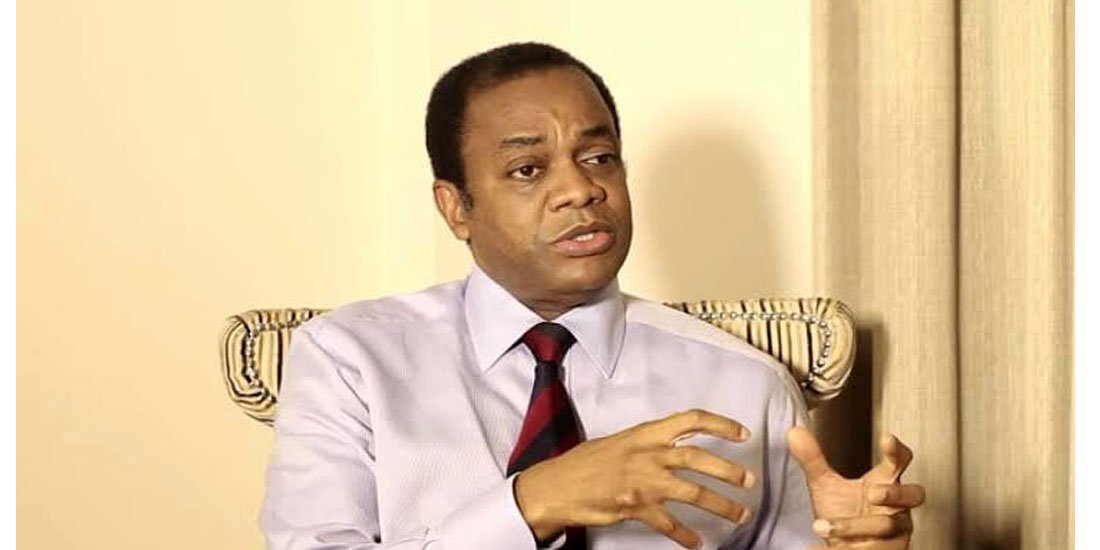
Peoples Redemption Party presidential candidate Donald Duke has rejected the competing petrol subsidy positions advanced by President Bola Tinubu, Atiku Abubakar and Peter Obi, arguing that Nigeria should be able to sell petrol at around N200 per litre if the economics of crude oil refining were handled differently.
Duke described the long running subsidy debate as misleading and said the country was not extracting enough value from the full range of products produced from a barrel of crude oil.
He argued that petrol, diesel, kerosene, aviation fuel and other refined products should be considered together when assessing refinery economics.
According to Duke, commercial sales of those other products could allow petrol to be sold at a significantly lower price.
His N200 estimate is a political and economic claim made by the candidate; the supplied material does not include a detailed cost model establishing that price.
Tinubu removed the petrol subsidy in May 2023, arguing that the previous arrangement was fiscally unsustainable.
Atiku has proposed what his campaign describes as targeted support linked to domestic refining and affordability.
Obi has supported subsidy removal in principle while calling for stronger transparency over how savings are used.
Duke said all three positions failed to address what he regarded as the deeper problem of Nigeria being rich in energy resources while households and businesses continued to face high energy costs.
He also criticized continued gas flaring.
Duke claimed Nigeria flared roughly two billion cubic feet of gas daily and argued that more of that resource should be used for power generation and industrial development.
The former Cross River State governor said Nigeria possessed hydrocarbons, solar resources, hydropower potential, uranium, lithium and other energy assets but had not translated that abundance into affordable energy.
His intervention adds a different argument to the 2027 energy debate, shifting attention from whether subsidy should return to whether refinery economics and resource utilization could reduce pump prices without subsidy.
The feasibility of his proposal would depend on crude pricing, refinery yields, exchange rates, taxes, logistics, margins and the market value of other petroleum products.