Child rights advocates, medical professionals and legal experts have renewed calls for stronger protections for Nigerian children online, warning that millions of young internet users remain exposed to harmful content, sexual exploitation, cyberbullying and online predators due to weak safeguards and limited accountability among technology platforms.
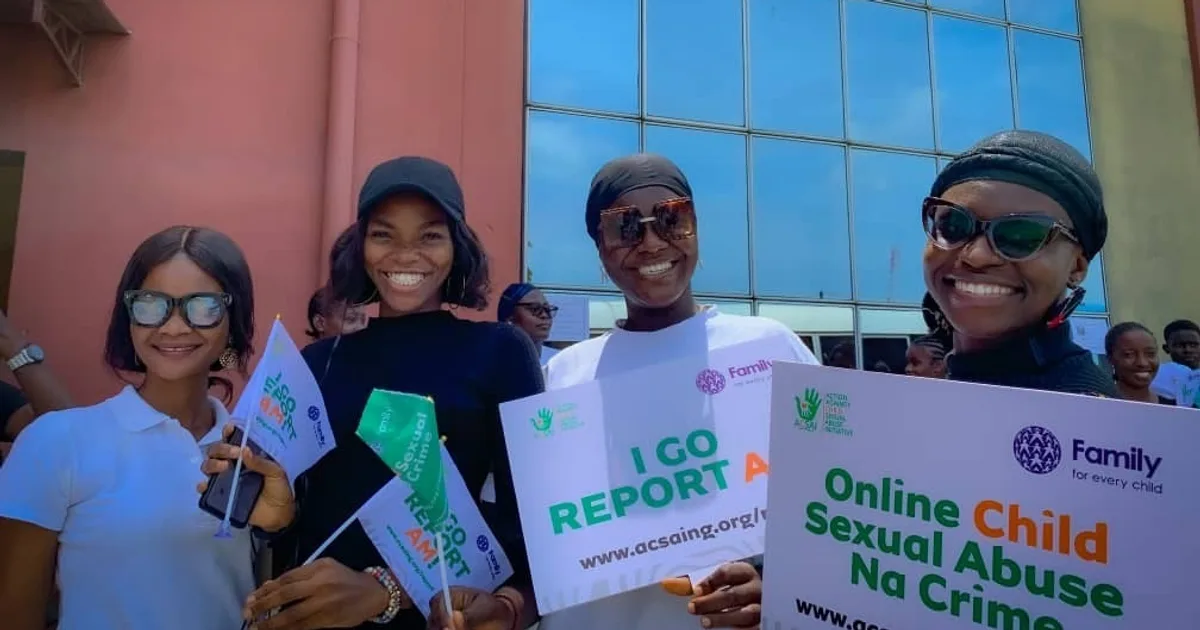
The concerns were raised at a Child Online Safety Media Roundtable in Abuja held under the Every Second Counts campaign, where participants examined the growing risks facing children as Nigeria’s digital population expands. Speakers said the discussion was less about lobbying lawmakers and more about raising awareness of mounting evidence of online harm and the need for stronger parental engagement and institutional safeguards.
Citing data from the Nigerian Communications Commission, participants said a majority of Nigerian children have encountered sexually explicit content online, with many experiencing unwanted sexual advances, and that abusive content involving minors often remains online for more than 48 hours before removal. They said this reflects broader weaknesses in the global digital ecosystem, where platforms often prioritize engagement over investment in child safety, particularly in developing countries, and pointed to laws such as the United Kingdom’s Online Safety Act as evidence that governments can regulate technology companies without stifling innovation.
Emmanuella Iyayi of Chazown by Ella’s Bookclub said cyberbullying affects both boys and girls and urged parents to spend more intentional time with their children, noting that while schools and government have roles to play, parents remain the first line of defence. Onyinyechi Amy of the Civil Society Legislative Advocacy Centre said protecting children requires coordinated action between families, government and technology companies, including clearer platform rules and greater parental vigilance, alongside healthier childhood experiences beyond excessive screen time.
Christina Akintoye of Gatefield said social media platforms were largely designed without adequate attention to children’s safety, citing research suggesting nine out of ten Nigerian children experience some form of online abuse and that harmful content can reach children within seconds of going online. She said roughly half of Nigerian children have directly experienced online abuse, with sexual content involving minors often remaining accessible for extended periods.
Medical doctor Joy Nafesa Kabir and Youth in Parliament Forum director Ojugo Onyelukachukwu Ojay also spoke on the wellbeing implications of children’s digital exposure, with participants agreeing that safeguarding children online requires cooperation among parents, schools, civil society, technology companies, policymakers and the media.
Government Says It Cannot Fix Nigeria’s Social