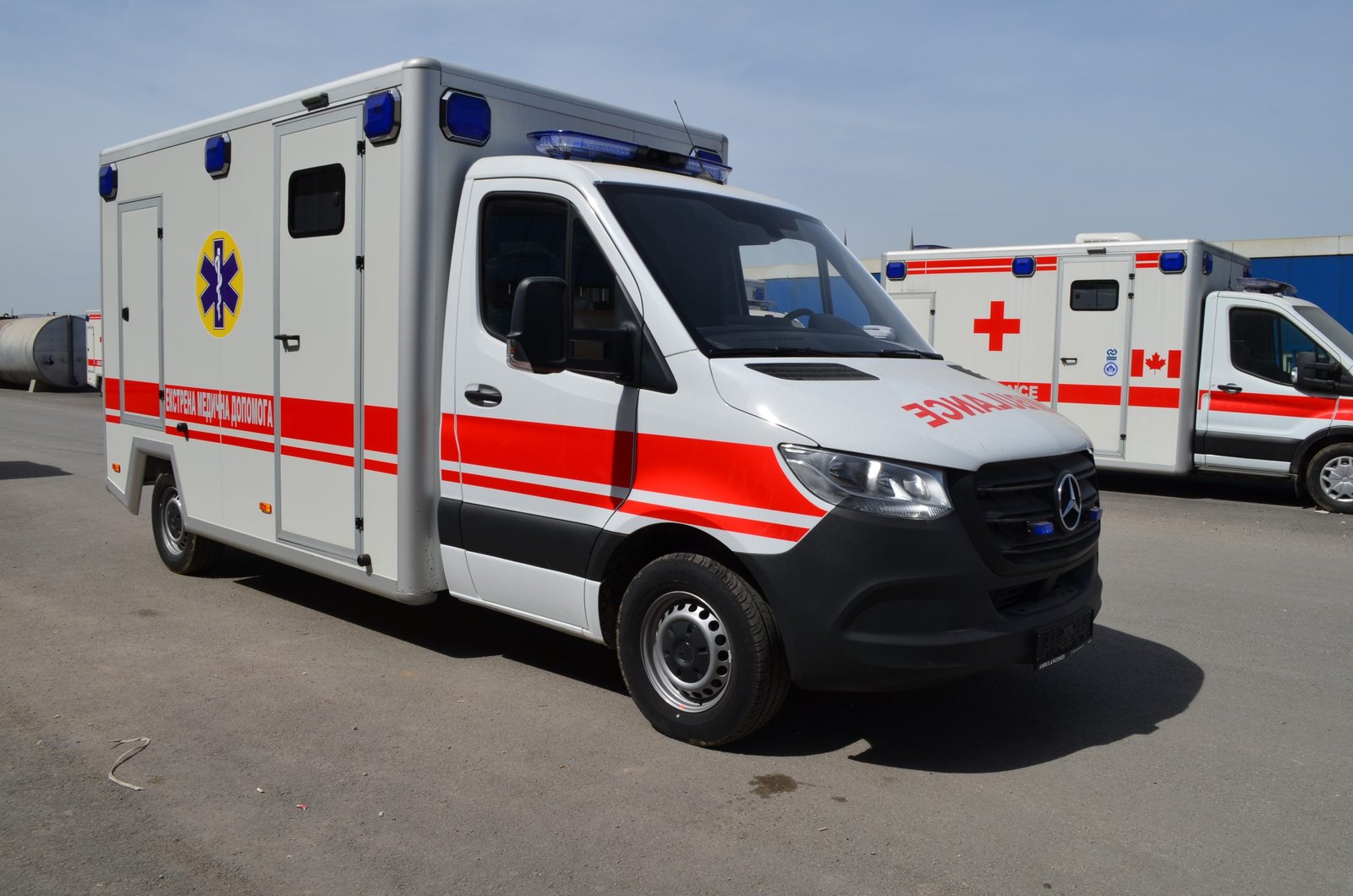
Nigeria’s emergency medical infrastructure is operating under severe strain, with the country running fewer than 500 functional ambulances against a national requirement estimated at 4,000, and a paramedic workforce of under 1,000 in a country of over 200 million people.
These figures were laid bare at a media capacity building workshop in Abuja, where officials from the Nigerian Emergency Medical Services and Ambulance System gathered with partners from the Solina Center for International Development and Research to address what they described as a crisis hiding in plain sight.
NEMSAS National Coordinator Dr. Doubra Emuren pointed to poor telecommunications connectivity as a critical barrier to effective emergency response. Unreliable network coverage is disrupting emergency call systems and coordination across the country, he said, with the inconsistency directly slowing public uptake of ambulance services. He called on the Nigerian Communications Commission to take stronger action in ensuring reliable coverage at Medical Emergency Call Centres.
The national emergency number 112, coordinated by the NCC, was introduced to streamline emergency calls, but Emuren noted its performance remains inconsistent in many parts of the country. The weak integration between telecom systems and emergency response frameworks, he said, is costing lives.
Beyond connectivity, the human resource deficit is equally alarming. With fewer than 1,000 paramedics nationwide, Emuren stressed the urgent need to scale up training for Emergency Medical Technicians, personnel trained in basic life support who can be deployed in ambulances and serve as the first line of pre-hospital care. In the short to medium term, he said, expanding EMT training through accredited institutions offers the most practical path to bridging the gap.
Emuren also advocated for integrating air ambulances into Nigeria’s emergency response framework, particularly for rapid interventions in traffic-congested cities and remote rural areas. He added that a national traffic management framework, one that prioritises ambulance movement during emergencies, is long overdue, alongside a Good Samaritan Law to protect citizens who render first aid from legal liability.
Despite these challenges, NEMSAS has recorded meaningful impact. The agency has transported approximately 47,000 pregnant women and newborns across 132 local government areas under the Maternal Mortality Reduction Innovation and Initiatives programme, which supports safe delivery by transporting expectant mothers to health facilities and providing Mama Kits for childbirth. NEMSAS also responds to road traffic accidents, building collapses, snakebites, gunshot injuries, and communal emergencies at no cost to patients.
Dr. Lawal Bakare of the Federal Ministry of Health’s SWAP Coordination Office highlighted ongoing reforms aimed at improving coordination between federal and state health systems and ensuring equitable resource distribution. He emphasized that data-driven planning and strategic public communication are essential to building the kind of trust that will drive Nigerians to use available emergency services.