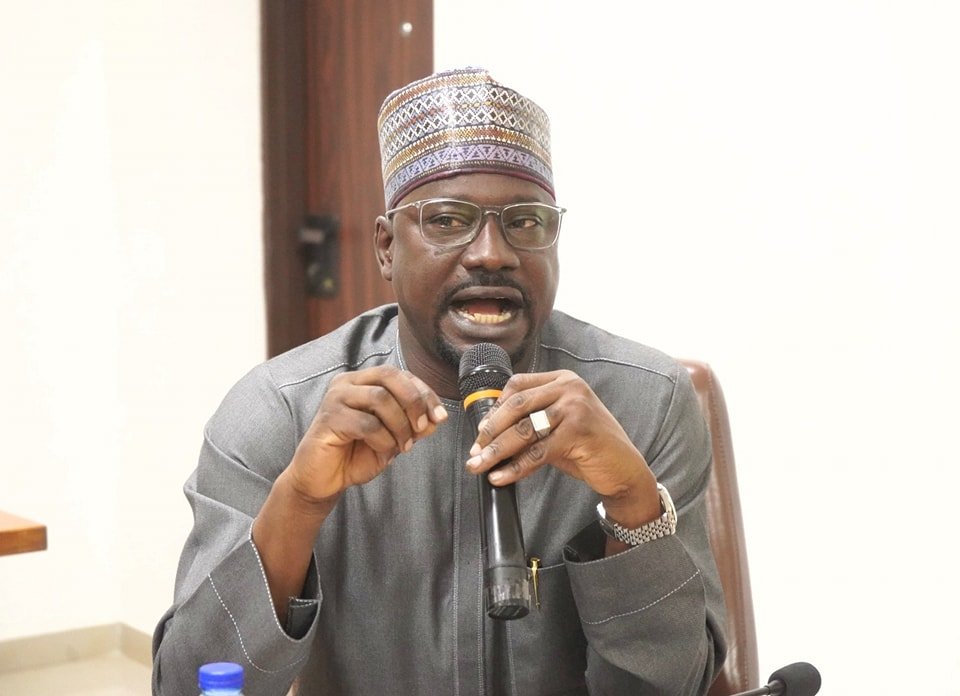
Nigeria’s rural electrification drive received a significant regulatory boost recently, with the Rural Electrification Agency welcoming newly updated mini-grid rules as a turning point for a sector that has long been held back by bureaucratic constraints.
The Nigerian Electricity Regulatory Commission released the updated regulations following two years of advocacy and technical submissions from the REA, a process that the agency’s Managing Director Dr. Abba Aliyu described as both painstaking and ultimately worthwhile.
The most consequential change is a significant increase in capacity thresholds. Under the previous framework, isolated mini-grids were capped at 1 megawatt. The new rules raise that ceiling to 5 megawatts for isolated systems and 10 megawatts for interconnected ones, allowing developers to build at a scale that genuinely meets community demand without crossing into the more complex regulatory requirements designed for utility-scale power plants.
Equally important is the introduction of a single permit covering generation, distribution, and supply. Previously, developers navigating the dual-licensing process faced delays and costs that often stalled projects entirely or pushed investors away. Consolidating those approvals into one process removes a structural friction point that has been a persistent complaint in the sector.
The new regulations also introduce practical environmental compliance pathways tailored specifically to solar photovoltaic and battery storage systems, alongside defined timelines for commissioning. Aliyu said this closes a gap that previously allowed completed projects to sit idle for extended periods before delivering power to communities.
For developers working under programmes like the Distributed Access through Renewable Energy Scale-up initiative and the Energising Education Programme, the practical effect is immediate. Projects that previously faced regulatory queues can now move faster from planning to deployment, with clearer rules governing every stage of the process.
Aliyu credited NERC Chairman Dr. Musiliu Oseni and his team for their willingness to engage with the REA’s submissions and translate technical feedback into workable policy. For the millions of Nigerians in underserved communities still without reliable electricity, the measure of success will ultimately be whether the lights come on faster.