The United States has announced a global campaign against what it described as transnational left-wing extremism, while its military confrontation with Iran intensified following fresh attacks on strategic infrastructure and military targets across the Gulf region.
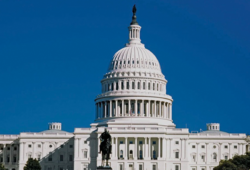
Speaking at an international counterterrorism summit in Washington attended by representatives from more than 60 countries, U.S. Secretary of State Marco Rubio said Washington would work with international partners to identify and dismantle violent left-wing extremist networks worldwide.
Rubio argued that Western governments had underestimated the threat posed by politically motivated violence from the far left, saying the new initiative would target extremist organisations regardless of where they operate.
White House Homeland Security Adviser Stephen Miller also accused violent left-wing groups of exploiting democratic values and civil liberties to shield themselves from accountability.
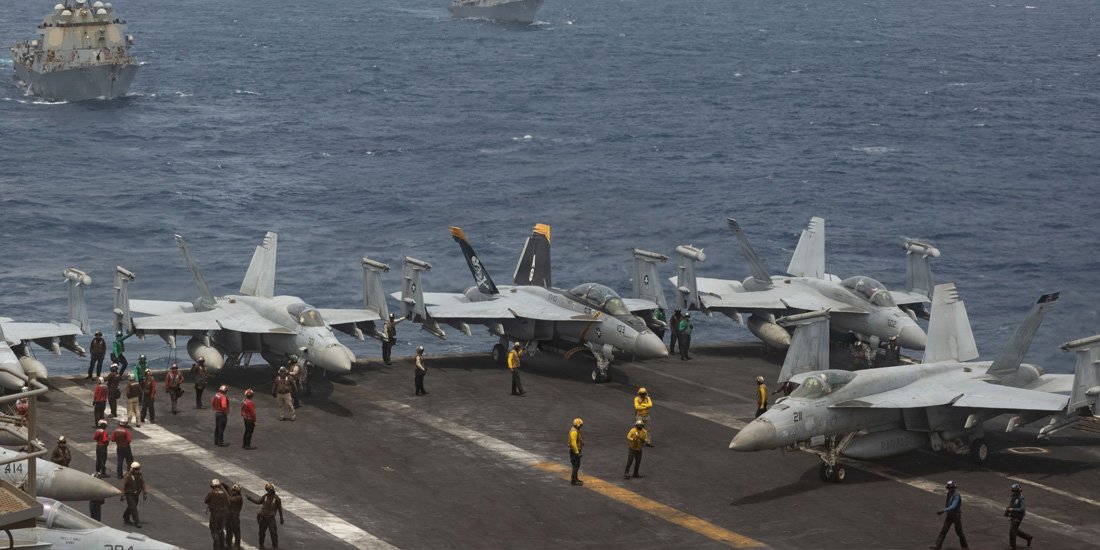
Meanwhile, tensions between the United States and Iran deepened as American forces carried out a seventh consecutive night of military strikes inside Iran, targeting strategic sites near the Persian Gulf and the Strait of Hormuz.
Iran responded with missile and drone attacks on critical infrastructure in Kuwait and military-linked facilities in Bahrain, while Jordan reported intercepting several projectiles aimed at military installations.
The Pentagon confirmed that two U.S. service members were killed and another declared missing following Iranian missile and drone attacks in Jordan.
Iran’s Supreme Leader, Mojtaba Khamenei, condemned the continued U.S. military operations, describing them as a violation of a previous framework agreement aimed at ending hostilities. He warned that Iran and its allies would deliver “unforgettable lessons” if the attacks continued.
Iran also announced the suspension of its commitments under the earlier understanding with Washington, accusing the United States of violating the agreement through continued military action.
The escalating conflict has disrupted critical infrastructure across the Gulf. Kuwait reported damage to electricity generation and water desalination facilities following Iranian strikes, while operations at Kuwait International Airport were temporarily suspended. Bahrain also activated its air defence systems to intercept incoming missiles and drones.
Amid the growing regional tensions, Lebanese President Joseph Aoun departed for Washington for talks with President Donald Trump on strengthening the ceasefire in southern Lebanon and advancing negotiations between Lebanon and Israel.
The latest developments underscore the rapid deterioration in U.S.-Iran relations, raising concerns over wider regional instability as diplomatic efforts remain stalled and military operations continue.