The global response to HIV and AIDS is facing a serious setback as reductions in international financing threaten prevention programmes, treatment services and community based healthcare initiatives.
A report released by the Joint United Nations Programme on HIV and AIDS at the 26th International AIDS Conference in Rio de Janeiro showed that approximately 1.2 million people acquired HIV in 2025.
An estimated 570,000 people also died from illnesses associated with AIDS during the year.
UNAIDS warned that more than three million additional infections could occur before 2030 unless governments and development partners take urgent action.
Although infections and deaths have fallen to their lowest levels in more than three decades, the agency said progress remained fragile and uneven.
About nine million of the estimated 41 million people living with HIV were not receiving antiretroviral treatment in 2025.
Nearly half of children living with the virus also lacked access to treatment.
Benin, Eswatini, Kenya, Lesotho, Nepal, Rwanda and Zimbabwe have reduced new infections by almost 80 per cent since 2010.
However, infection rates increased in three regions and 21 countries during 2025.
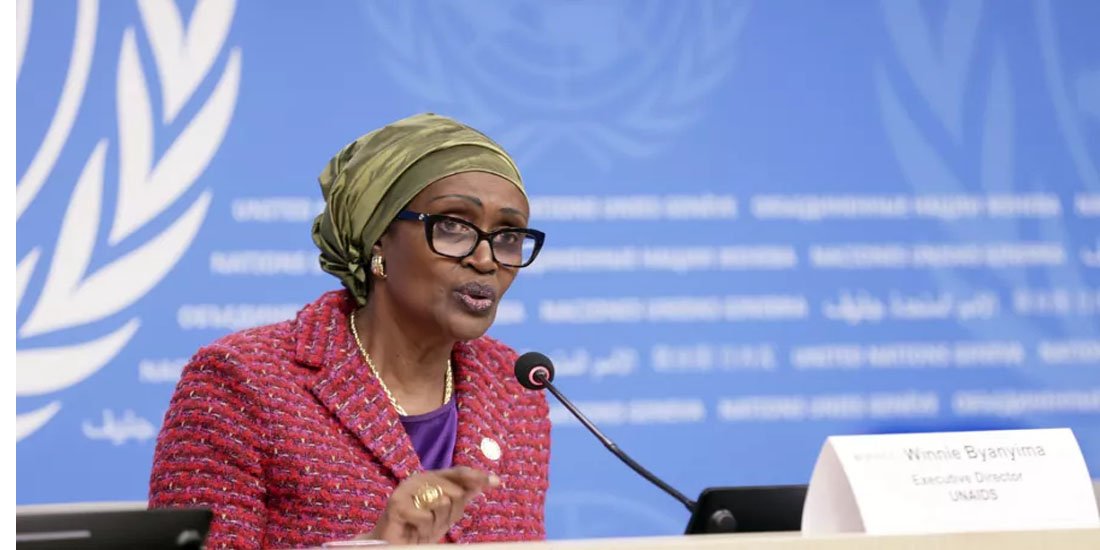
UNAIDS Executive Director, Winnie Byanyima, said advances in long acting injectable medicines had transformed prevention options.
She warned, however, that scientific innovation would achieve little unless medicines were affordable and accessible.
“Scientific breakthroughs are giving us tools that previous generations could only dream of. But innovation without access is injustice,” she said.
Brazil, Ethiopia, Uganda and South Africa have expanded access to prevention medicines through domestic investment and price negotiations.
Development organizations are seeking to provide three million people with access to lenacapavir by 2028.
UNAIDS estimates that at least 20 million people need access to antiretroviral based prevention to significantly reduce new infections.
The report identified declining financial support as one of the greatest threats to the global response.
Official development assistance fell by 23 per cent in 2025, the largest annual decline recorded.
International HIV financing dropped from US$8.8 billion in 2024 to US$7.3 billion in 2025.
The decline has had a severe impact on African countries that rely heavily on international support.
Approximately 80 per cent of HIV prevention financing in Sub Saharan Africa came from foreign assistance.
Community organizations have experienced major reductions in funding, while support for condom distribution has fallen by more than 90 per cent in some countries.
UNAIDS also expressed concern about increasing criminalization of vulnerable groups.
It said 66 countries criminalize same sex relations, 168 criminalize sex work, 152 criminalize possession of small quantities of drugs and 14 criminalize transgender people.
Byanyima warned that discrimination and fear of arrest prevent people from accessing testing, prevention and treatment.
In June 2026, 149 United Nations Member States adopted a Political Declaration on HIV and AIDS aligned with the Global AIDS Strategy covering 2026 to 2031.
The declaration seeks to place 40 million people on treatment and provide 20 million people with access to prevention medicines by 2030.
UNAIDS estimates that achieving the targets could prevent 3.2 million new infections and 1.3 million deaths.
The agency called for renewed commitments to funding, human rights, healthcare access and affordable medicines.