LAGOS: The Lagos State Government has confirmed six cases of diphtheria out of 53 suspected cases investigated in the state during 2026, while insisting there is no widespread outbreak in the state.
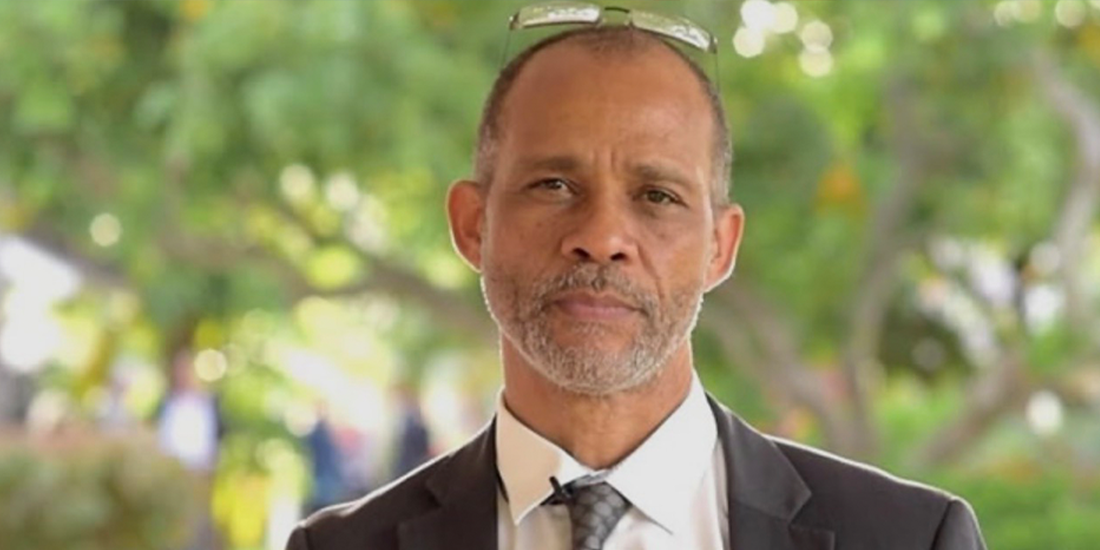
Commissioner for Health Professor Akin Abayomi disclosed the figures at a news conference on the state’s Diphtheria Preparedness and Response, held at the Folarin Coker Staff Clinic in Alausa, Ikeja. He said the six confirmed patients were appropriately managed and that their contacts were traced and monitored throughout the infection’s incubation period.
“We are appealing to all Lagosians to remain calm. There is currently no outbreak of diphtheria in Lagos. We are taking precautionary measures,” Abayomi said.
That assurance does not mean diphtheria has been eliminated from the state. Health authorities are maintaining surveillance because an active outbreak has been reported in several other parts of Nigeria, and Lagos receives continuous movement of people from across the country.
What diphtheria is, and how to recognize it
Diphtheria is a bacterial infection caused by Corynebacterium diphtheriae. It commonly affects the respiratory system and can produce a toxin capable of damaging vital organs, particularly the heart. Symptoms include severe sore throat, fever, weakness, difficulty swallowing, breathing problems, swelling of the neck, and a thick membrane in the throat that can obstruct breathing.
Residents experiencing possible symptoms, particularly after traveling from an affected area or having contact with a confirmed patient, have been advised to seek medical attention immediately rather than self medicate. Abayomi said prompt diagnosis and treatment were important for preventing severe complications.
Primary healthcare centers are mainly vaccination points and are not designated to diagnose or manage suspected cases, Abayomi clarified. He identified four facilities equipped to handle suspected infections: Mainland Hospital in Yaba, formerly the Infectious Disease Hospital, Massey Street Children’s Hospital on Lagos Island, Lagos University Teaching Hospital, and Lagos State University Teaching Hospital.
Vaccination remains the main defense
The commissioner identified complete immunization as the most effective protection against the disease. Children are expected to receive three doses of the pentavalent vaccine at six, 10 and 14 weeks.
Abayomi disclosed that Lagos currently has about 64 per cent full vaccination coverage, with some children either partially vaccinated or unvaccinated. Parents and guardians have been urged to check their children’s vaccination records and obtain any outstanding doses.
More than 1,000 public and private healthcare facilities provide routine immunization services across the state, according to the commissioner, and vaccines are available without charge at government health facilities.
Preparing for the school term
With schools due to reopen, health officials are working with the education sector to improve awareness and vaccination among students. Any suspected infection detected in a school is expected to trigger testing, contact tracing and appropriate infection control measures.
Residents have also been advised to observe respiratory hygiene, wash their hands regularly and avoid close contact with others while experiencing symptoms of respiratory infection.