The Presidency has announced significant progress toward the establishment of state police in Nigeria, revealing that a constitutional amendment required to create the new policing structure is nearing completion following months of consultations among key stakeholders.
Chief of Staff to the President, Femi Gbajabiamila, disclosed this on Thursday while briefing State House correspondents after a consultative meeting on state police held at the Presidential Villa in Abuja.
According to Gbajabiamila, discussions on the proposed state police framework began several months ago following a directive from President Bola Ahmed Tinubu and have since recorded substantial progress.
He explained that the creation of state police involves complex constitutional and legal considerations that require careful planning and broad stakeholder engagement.
“We started deliberations in the last three or four months on how to go about the establishment of state police as directed by Mr President. Establishing state police is not something that you do with the snap of the fingers. There is a lot involved in terms of constitution and legalities, and thank God we have now gained a lot of traction,” Gbajabiamila said.
He added that attention is currently focused on the constitutional amendment process, which will provide the legal foundation for state police, while enabling legislation will be developed afterward.
“Hopefully, the amendment will come shortly, and the details of the amendment will come after that. Right now, what we are looking at is the constitutional amendment itself, and then the enabling law would follow thereafter,” he stated.
The Chief of Staff noted that there is now broad national support for the initiative, stressing that discussions have shifted from whether state police should be established to how the legal and institutional framework should be structured to ensure its effectiveness.
He said President Tinubu, who has consistently advocated for state police as part of efforts to strengthen Nigeria’s security architecture, will be presented with a comprehensive report on the outcome of the consultations.
The meeting forms part of a series of engagements by the Federal Government aimed at developing a workable framework for state policing, a reform widely seen as a response to Nigeria’s evolving security challenges.
Advocates of the initiative argue that a decentralized policing system would improve local intelligence gathering, strengthen grassroots security, and enhance the ability of state governments to respond to threats within their jurisdictions.
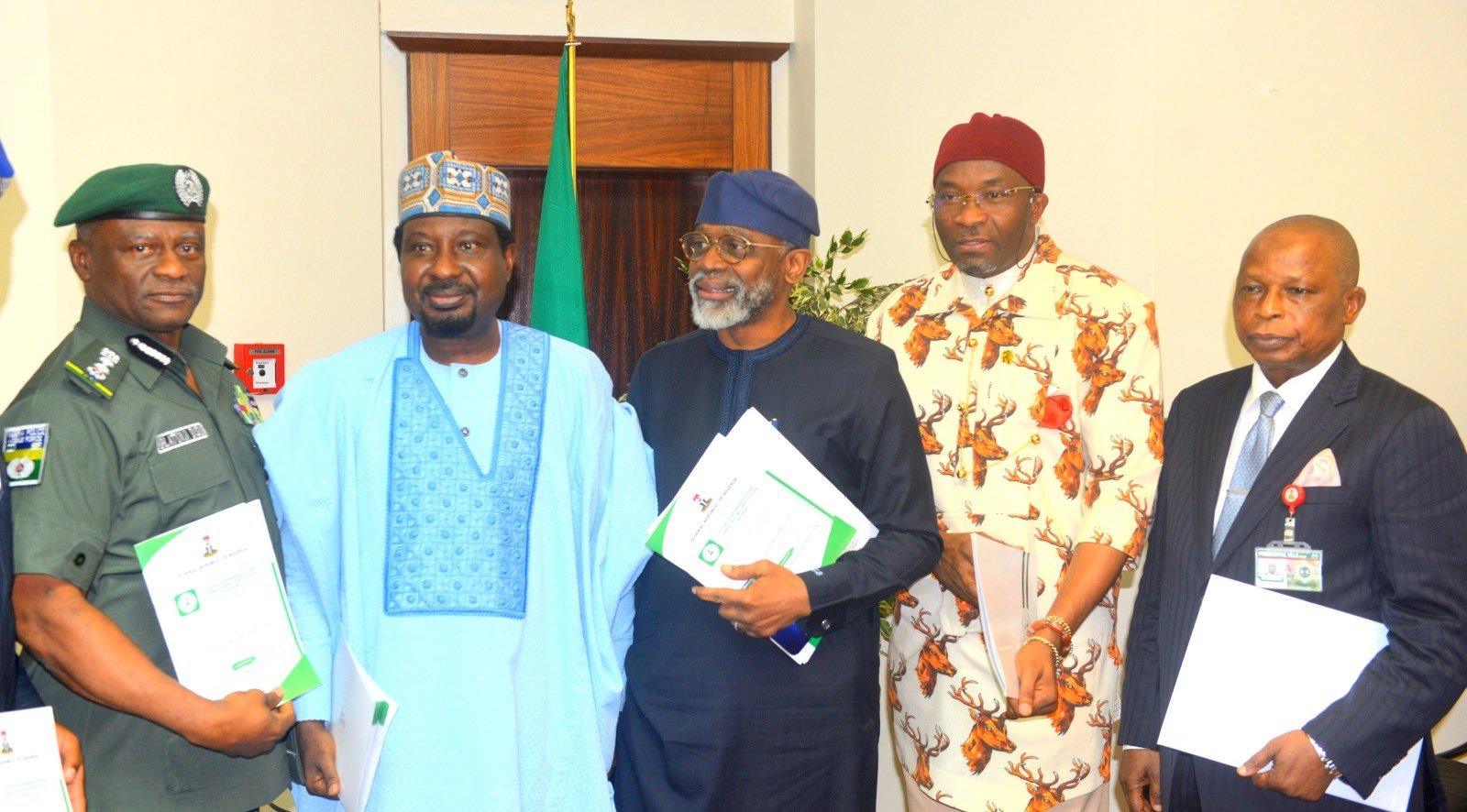
Among those who attended the meeting were Deputy Senate President Jibrin Barau, Deputy Speaker of the House of Representatives Benjamin Kalu, and Inspector-General of Police Tunji Disu, alongside other senior government and security officials.
The move represents one of the most significant proposed reforms to Nigeria’s security structure in recent years and is expected to shape future efforts to combat insecurity across the country.