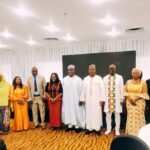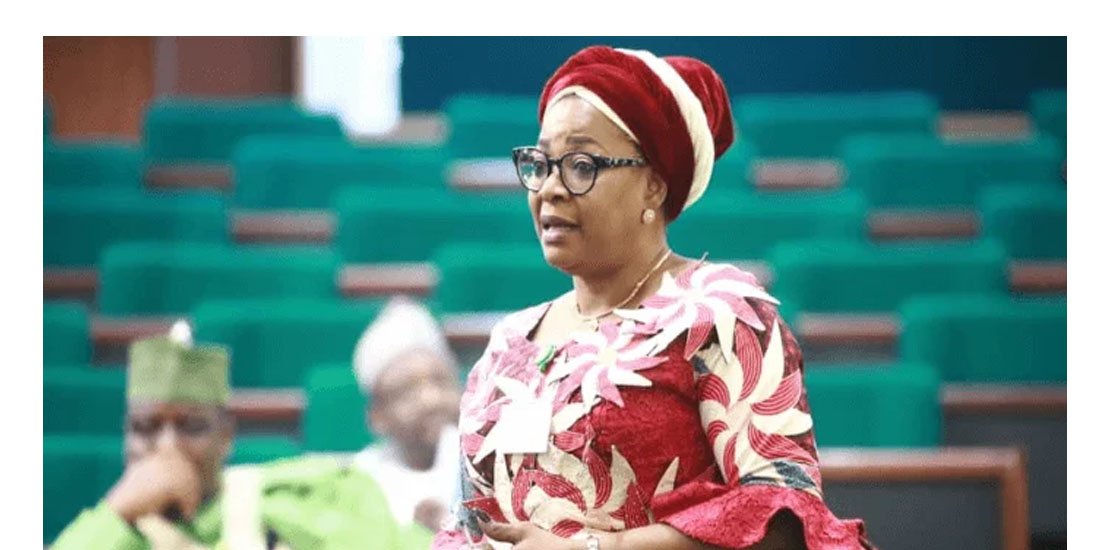
Human trafficking has moved well beyond a migration issue, House Committee on Humanitarian Services Chairman Tolulope Akande Sadipe told a roundtable in Abuja, calling it one of the gravest humanitarian and human rights challenges facing Nigeria and West Africa and demanding stronger inter agency and regional cooperation to confront it.
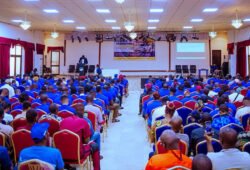
The forum, themed Strengthening Multi Stakeholder Coordination for Sustainable Reparation, Rehabilitation and Reintegration of Vulnerable Migrants, drew government officials, security agencies, development partners and civil society organisations. Akande Sadipe decried the continued exploitation of thousands of Nigerians, particularly women, children and youth, by trafficking syndicates that subject victims to forced labour, sexual exploitation and other forms of modern slavery, often after prolonged hardship and abuse that leaves them stranded abroad, and cited the recent evacuation of vulnerable Nigerians from South Africa alongside a memorandum of understanding between Nigeria and Ethiopia as practical examples of what cross border collaboration can achieve. She argued that anti trafficking success should never be measured solely by how many victims come home, but by whether prevention, rehabilitation and sustainable reintegration actually follow, since incomplete rehabilitation leaves survivors exposed to poverty, social exclusion and the risk of being trafficked again, calling for a survivor centred, rights based approach in which repatriation happens safely, voluntarily and with dignity, and rehabilitation covers physical and mental healthcare, psychosocial support, legal aid, education and vocational training.
Nigerians in Diaspora Commission Chairman Abike Dabiri Erewa said meaningful rescue, protection, rehabilitation and reintegration can only happen through stronger cooperation among ECOWAS member states, involving governments across West Africa, the International Organisation for Migration, NAPTIP, security agencies and civil society, arguing efforts must shift from responding to trafficking after the fact to preventing it before it happens. She called for enforcement of the ECOWAS Free Movement Protocol through effective border screening capable of catching trafficking activity before victims cross borders, proposed joint anti trafficking task forces spanning Nigeria, Niger, Mali and Burkina Faso, and pushed for designated focal persons in every country to strengthen early detection, reporting and rapid response, alongside sustained public awareness campaigns, faster prosecution and more funding for anti trafficking agencies.
NAPTIP Director General Binta Bello said the increasingly sophisticated nature of trafficking in Nigeria demands comprehensive, multi dimensional intervention, recommending amendments to existing anti trafficking laws to keep pace with evolving criminal tactics, higher budget allocations for repatriation, rehabilitation and economic empowerment programmes for survivors, and inclusion of NAPTIP among agencies benefiting from national security funding, arguing trafficking has become a genuine national security concern. She called for dedicated intervention funds to finance victim repatriation alongside vocational training, education, entrepreneurship and livelihood programmes, stronger rehabilitation shelters, expanded psychological and medical care, and stronger bilateral and multilateral agreements with countries including Mali, Niger, Ghana, Senegal and Cote d’Ivoire to facilitate safe, dignified victim return, alongside grassroots awareness campaigns, better intelligence sharing, improved border surveillance and greater investment in skills acquisition, agriculture and micro grant programmes to reduce unemployed youths’ vulnerability to trafficking recruitment.
National Council of Child Rights Advocates of Nigeria Operations Consultant Adefioye Golagade, drawing on findings from investigations in Mali, proposed regulating Nigerian sex workers operating in Mali and other West African countries under international law to improve monitoring and protect vulnerable people, and urged the Ministry of Foreign Affairs to formally introduce his organisation to authorities in Nigerian embassies across West Africa to strengthen anti trafficking collaboration, along with official authorisation letters allowing the group to actively participate in rescuing and repatriating trafficked Nigerians. He called for better coordination among the Ministry of Foreign Affairs, NAPTIP, security agencies and civil society, and for a comprehensive policy framework specifically protecting Nigerian women and girls from trafficking and exploitation across West Africa.