The House of Representatives has urged the federal government to intensify diplomatic engagement with South Africa to protect Nigerians living there, following reports that two Nigerian citizens were killed amid a fresh wave of xenophobic violence, including one who reportedly died in South African police custody.
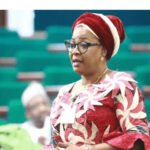
The resolution followed a motion of urgent public importance from House Committee on Navy Chairman Yusuf Gagdi, who argued the reported deaths highlight the urgent need for Nigeria to take decisive steps protecting its citizens abroad, calling on government to summon the South African High Commissioner to Nigeria, demand a transparent and independent investigation into the killings, strengthen consular assistance for Nigerians in South Africa, and engage regional and international bodies including the African Union, the Southern African Development Community and the United Nations to ensure those responsible are held accountable.
Lawmakers largely echoed the call for firmer diplomatic action. Billy Osawaru commended the Tinubu administration’s ongoing evacuation of Nigerians from South Africa but argued stronger diplomatic pressure is needed to compel South Africa to take responsibility for the attacks, while Prince Kayode Akiolu invoked Nigeria’s historical role in South Africa’s anti apartheid struggle as grounds for sustained engagement. Jersey Okezie Okejoto urged government to deploy international legal mechanisms and commercial diplomacy to compel South African compliance with international law, and other members, including Ghali Tijjani, Mark Obetta and Ben Etanabene, backed pursuing international justice for victims while sustaining pressure on South Africa to guarantee safety for Nigerians and other African nationals.
The House rejected a proposed amendment calling for the suspension of diplomatic, political and parliamentary relations with South Africa, after Speaker Abbas Tajudeen ruled that diplomatic channels should remain open while efforts continue to resolve the matter, though lawmakers did approve an amendment urging government to pursue legal action and compensation for Nigerians who suffered losses in the attacks. Abbas, in his own remarks, recalled Nigeria’s substantial contributions to the anti apartheid struggle and expressed disappointment that Nigerians are now victims of violence in the very country they once supported, arguing that although Nigeria has the capacity for stronger measures, diplomacy remains the most effective route to resolving the crisis. The House referred the matter to its Committee on Foreign Affairs for further consideration.