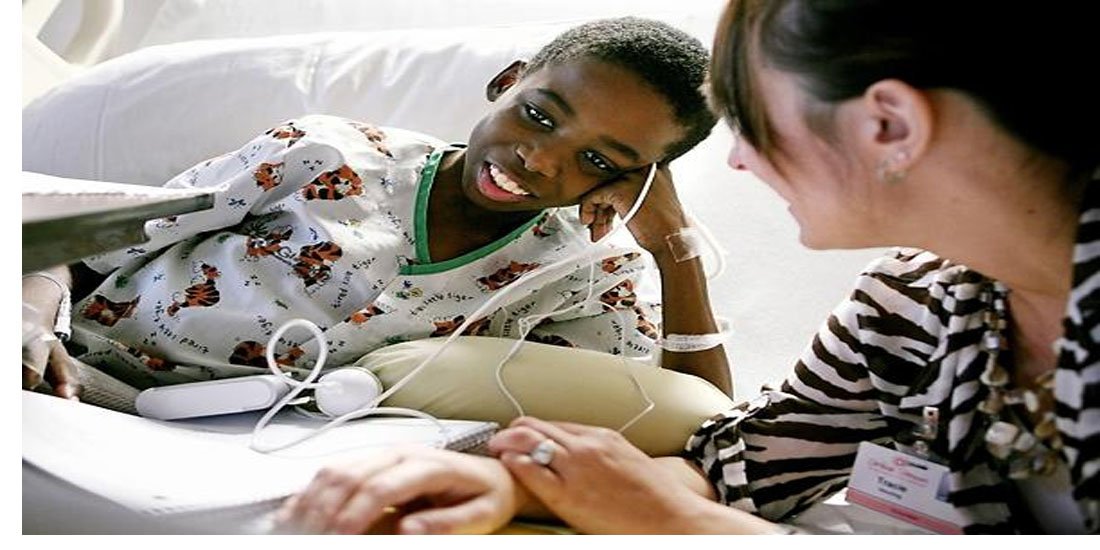
Nigerian-born sickle cell patient Kesiena Ikeke has used World Sickle Cell Day to call for government intervention to make treatment affordable and accessible in Nigeria, describing her experience of living with the condition in West Africa as compounded by ignorance, stigma, and the absence of the basic medical infrastructure that allowed people with the same diagnosis to live with dignity in countries like the United Kingdom.
In a personal essay, Ikeke said the physical burden of sickle cell disease in Nigeria was aggravated by widespread superstition that framed a genetic blood disorder as a spiritual affliction, by a shortage of basic supplies including folic acid and blood for transfusions, and by social rejection from family and peers who treated patients as financial burdens or objects of pity rather than as people deserving of care and respect. She said the emotional damage inflicted by those social responses was in some respects more lasting than the physical pain.
She called on the government to subsidize care, invest in healthcare infrastructure, and support blood donation drives that could reduce the frequency and severity of crises for patients who could not afford the medical management available elsewhere. She urged Nigerians to obtain genotype awareness before marriage and pressed employers and institutions to make reasonable accommodations for people managing a chronic medical condition.