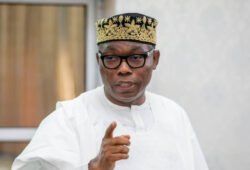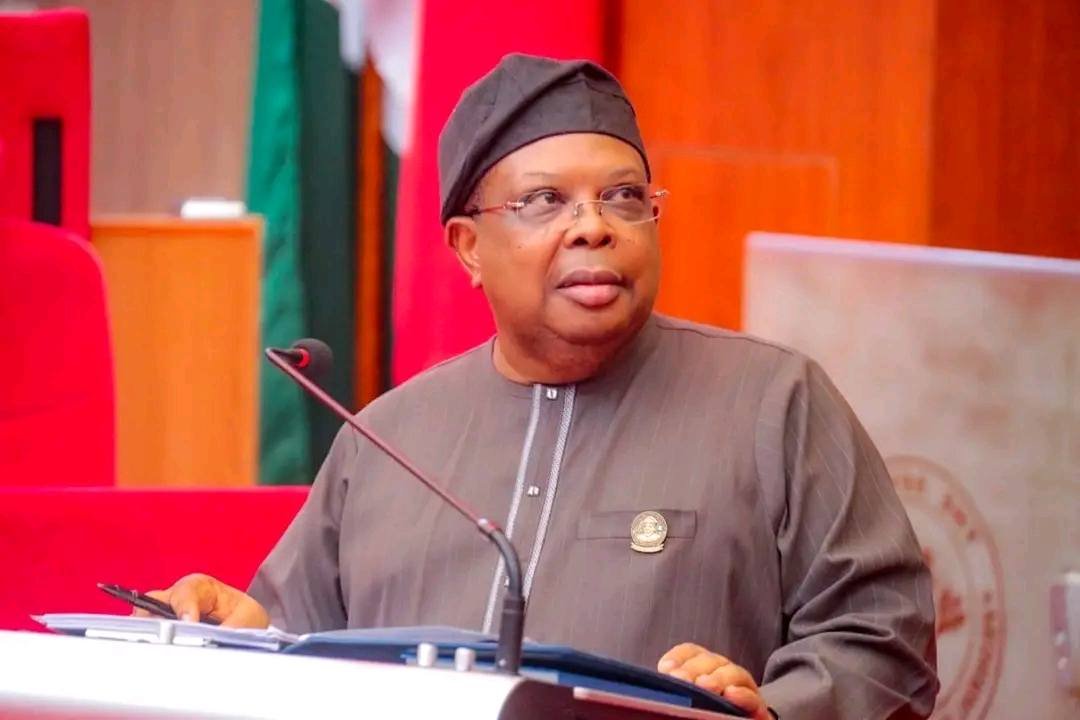
The Senate has confirmed Olasunkanmi Tegbe as Nigeria’s Minister of Power, with lawmakers urging him to urgently tackle the country’s worsening electricity challenges, including repeated national grid collapses, weak transmission infrastructure and mounting sector debt.
The confirmation followed a screening exercise during plenary presided over by Senate President Godswill Akpabio, where senators pressed the minister-designate on his plans to reform the troubled power sector.
Lawmakers across party lines stressed the need for practical solutions and measurable results, describing the electricity sector as critical to Nigeria’s economic growth and industrial development.
Leading the debate, Senator Mohammed Tahir Monguno described Tegbe’s appointment as fitting but warned that the sector required urgent intervention to end recurring grid failures and improve electricity distribution nationwide.
He noted that persistent grid collapses and poor transmission capacity had continued to hinder development, particularly in the North-East where insurgent attacks have damaged critical infrastructure.
Responding, Tegbe admitted that the challenges in the power sector were systemic, attributing instability to weak coordination, inadequate gas supply and poor operational standards.
“Grid collapse is not an accident; it is a symptom of a system problem,” he told lawmakers, pledging to enforce stricter operational discipline and improve network management.
The new minister promised that Nigerians would begin to see visible improvements within his first 100 days in office, including measures aimed at stabilising the national grid and improving transparency through a public performance dashboard.
On infrastructure vandalism, Tegbe described attacks on power facilities as a major national security concern and vowed to work closely with security agencies to protect critical assets.
Senate Minority Leader Abba Moro raised concerns over the sector’s estimated N6 trillion liquidity crisis, warning that mounting debts had weakened investor confidence.
In response, Tegbe acknowledged the unsustainable nature of the current financing structure and pledged to pursue market-reflective tariffs while ensuring electricity remains affordable for vulnerable consumers.
Several senators, including Tokunbo Abiru and Orji Uzor Kalu, also called for improved coordination among generation, transmission and distribution companies to address inefficiencies within the sector.
Tegbe assured lawmakers that his reform agenda would focus on improving collaboration across the power value chain, boosting gas supply to generation companies and accelerating nationwide metering to reduce estimated billing.
He further pledged to expand rural electrification through mini-grid and renewable energy projects, particularly solar solutions, to improve access to electricity in underserved communities.
“Decentralised energy solutions will play a key role in ensuring that no community is left behind,” he said.