Nigeria is seeking to turn its extensive coastline and inland waterways into a stronger source of jobs, trade and investment as the Federal Government expands reforms across the marine and blue economy.
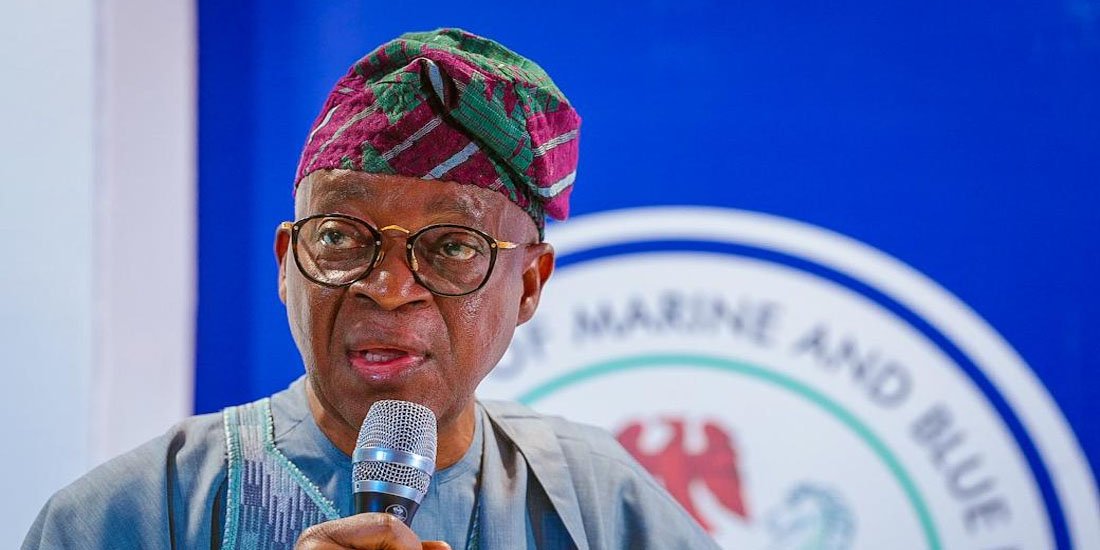
Minister of Marine and Blue Economy Gboyega Oyetola said the creation of a dedicated ministry had allowed the government to give greater attention to maritime resources that had remained substantially underdeveloped.
Oyetola spoke in Iragbiji, Osun State, during activities marking his 72nd birthday.
Nigeria has about 853 kilometres of coastline and approximately 10,000 kilometres of inland waterways.
The minister said a policy framework had been developed to guide investment in the sector, with maritime security, port modernisation, fishing and inland water transportation receiving increased attention.
Oyetola said domestic fish production had risen from about 1.3 million to 1.5 million, while life jackets were being distributed and unsafe boats replaced to reduce accidents.
Port modernisation is another major component of the programme.
The minister said Nigeria had lost business to neighbouring countries partly because existing ports were unable to accommodate some of the world’s larger vessels.
Current draft levels of approximately 13 metres would need to increase to between 16 and 18 metres, he said.
Modernisation is expected to cover Apapa, Tin Can Island, Warri, Calabar and Port Harcourt.
In a related development, the Nigerian Maritime Administration and Safety Agency said the country had recorded four consecutive years without a piracy incident.
NIMASA Director General Dayo Mobereola attributed the improvement to stronger security measures and implementation of the Suppression of Piracy and Other Maritime Offences Act.
Nigeria’s challenge now will be converting those improvements into increased vessel traffic, investment, employment and a larger contribution from the maritime industry to the national economy.