
Nigeria is preparing to use the COP31 climate conference in Antalya, Türkiye, to seek investment in projects that could support employment, industrial development and cleaner energy.
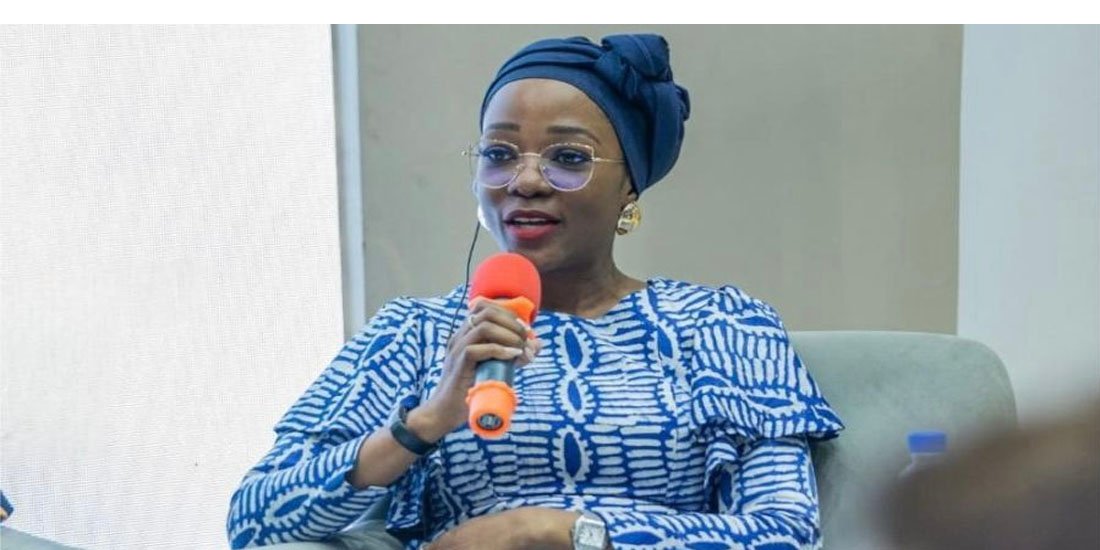
Director General of the National Council on Climate Change, Tenioye Majekodunmi, said at a briefing in Abuja that the country wanted international climate commitments to result in financed projects, operating businesses and improved livelihoods.
She described a progression from funding pledges to investment agreements, project delivery and economic benefits, stressing that predictable regulation and credible institutions would be essential to attracting capital.
The council cited projections under Nigeria’s Energy Transition Plan of approximately 340,000 net new jobs by 2030 and 840,000 by 2060. These are long-term estimates, not jobs already created or guaranteed employment outcomes.
Potential growth areas include power, clean cooking, transport, green industrialisation, and value chains linked to critical minerals. Nigeria also intends to explore international carbon market opportunities under Article 6 of the Paris Agreement while seeking safeguards for environmental integrity.
Majekodunmi said Nigeria would advocate climate finance arrangements that reflect developing countries’ energy access and industrialization needs.
The council outlined preparations for the negotiations, including technical workshops on climate finance, adaptation, loss and damage, emissions mitigation and carbon markets. It said negotiators were developing opening positions, potential compromises and national priorities.
The NCCC also announced efforts to improve climate journalism and preserve negotiating expertise through mentoring and digital resources.
For Nigeria, the central test will be whether the proposed partnerships produce investable projects and measurable improvements in jobs, energy access and incomes.