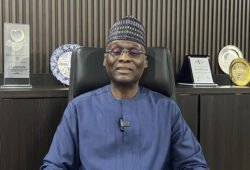
Nigeria is gradually returning to an era of stronger regional economies and greater state autonomy, creating fresh opportunities for direct foreign investment and partnerships with subnational governments, Global AfriDiplomats founder Deji Ajomale-McWord has said.
He said recent reforms in electricity, taxation and local government finances were reversing decades of over-centralization and turning states into independent engines of growth and commerce. Speaking at the Trade Commissioners’ Summit, he urged foreign governments and investors to broaden engagement beyond Abuja and partner directly with states.
Ajomale-McWord traced the centralized structure to the 1966 Unification Decree, which abolished the regional system, noting that the Constitution still assigns 68 items to the Exclusive List and only 12 to the Concurrent List, limiting states’ capacity to legislate on strategic sectors.
He recalled how the Western Region’s cocoa and the North’s groundnut pyramids once made the regions powerful, and cited reforms such as the National Regional Development Policy, additional regional commissions, the Electricity Act 2023, tax reforms and the Supreme Court judgment on local government autonomy as evidence of a shift back towards stronger states. Our states and regions, he declared, are open.
The Nigeria Customs Service backed the push for subnational trade diplomacy, with a goodwill message on behalf of Comptroller General Bashir Adewale Adeniyi describing trade as a key driver of development and highlighting digital reforms including the Unified Customs Management System known as B’Odogwu and the National Single Window.