Iran has предложed a conditional safe-passage arrangement through the Strait of Hormuz as negotiations with the United States continue, raising prospects of easing tensions in one of the world’s most critical energy corridors.
According to sources familiar with the discussions, Tehran is considering allowing vessels to transit safely through the Oman side of the strait, provided a broader agreement is reached to prevent further conflict involving Iran, the US and Israel.
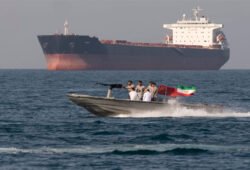
The Strait of Hormuz remains central to the crisis, accounting for about 20 per cent of global oil and liquefied natural gas shipments. Since hostilities escalated in late February, hundreds of vessels and thousands of seafarers have been stranded in the Gulf, significantly disrupting global supply chains.
Although a temporary ceasefire took effect on April 8, uncertainty over access to the waterway continues to shape diplomatic efforts.
Sources say the proposed arrangement would allow ships to pass without interference along the Omani channel of the narrow strait. However, key details remain unresolved, including whether Iran would remove naval mines or permit unrestricted passage for all vessels, particularly those with links to Israel.
The offer is understood to be tied to broader conditions set by Tehran, which it considers essential for any lasting agreement.
Neither the White House nor Iran’s Foreign Ministry has issued an official response, though Western security officials confirm that the proposal is under consideration.
At just 34 kilometres wide at its narrowest point, the Strait of Hormuz serves as a vital link between the Gulf and the Indian Ocean, making it indispensable to global trade, especially energy exports.
If implemented, the proposal would mark a notable shift from earlier hardline positions attributed to Tehran, including suggestions of imposing transit tolls or asserting unilateral control over the waterway—moves that drew criticism from the international community.
Member states of the International Maritime Organization have already rejected such measures, warning they could undermine established maritime norms.
Analysts say Iran’s latest proposal may signal a willingness to return to long-standing navigation frameworks that have governed the strait for decades, even amid periodic tensions.
Meanwhile, shipping activity in the region remains subdued, with ongoing restrictions on Iranian oil exports and heightened security concerns continuing to weigh on global markets.