The Federal Government has welcomed Moody’s Ratings’ decision to revise Nigeria’s sovereign outlook from stable to positive while retaining the country’s long term foreign and local currency ratings at B3.
The outlook revision signals that Moody’s sees conditions that could support a future upgrade if Nigeria sustains recent improvements in macroeconomic management and external finances.
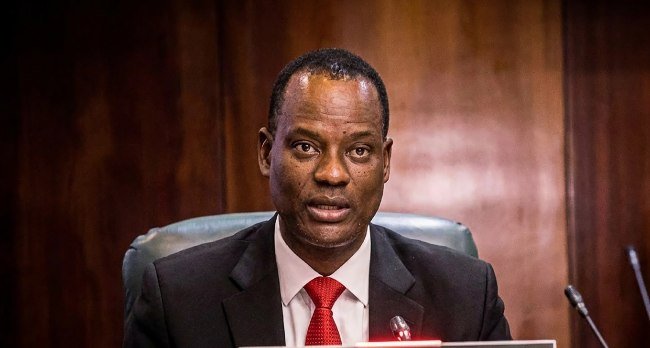
Finance Minister and Coordinating Minister of the Economy Taiwo Oyedele said the decision reflected the impact of reforms implemented over the past three years.
A positive outlook is not the same as a rating upgrade, but it generally indicates that an upgrade could be considered over the medium term if supportive trends continue.
Moody’s linked the improved outlook to Nigeria’s stronger external position, including large current account surpluses, higher foreign exchange reserves, improvements in the foreign exchange market and a more effective monetary policy framework.
The agency projected that Nigeria’s current account surplus could reach about 6.1 per cent of gross domestic product in 2026.
Central Bank of Nigeria data cited in the assessment put external reserves at $53.30 billion as of August 26, 2026.
Moody’s also noted stronger than expected economic growth.
Real GDP expanded by 4 per cent in 2025, above an earlier projection of roughly 3 per cent, and the agency expects growth to remain around that level through 2027.
The outlook assumes continued expansion in non oil sectors and higher crude production.
Inflation has also moderated, falling to 15.4 per cent in July 2026 from 25.3 per cent a year earlier, according to figures cited in the assessment.
The Moody’s decision follows a series of other rating and market developments.
FTSE Russell moved Nigeria from Unclassified to Frontier Market status on August 27, 2026.
S&P Global Ratings upgraded Nigeria from B minus to B in May, while Fitch maintained the country at B with a stable outlook.
Oyedele said the Moody’s decision amounted to external validation of reforms including fuel subsidy removal, exchange rate unification and tax reform.
He argued that those measures were strengthening reserves, the external position, inflation trends and policy credibility.
The minister said the government’s medium term ambition was to place Nigeria on a path toward investment grade status.
He acknowledged that reaching that level would require further progress in domestic revenue mobilisation, spending efficiency and debt affordability.
For investors, the immediate effect of an outlook change is more limited than an actual upgrade.
However, if Nigeria eventually achieves a higher sovereign rating, it could reduce borrowing costs and improve access to international capital.
The government said its focus was not the rating itself but the underlying reforms needed to lower the cost of capital, attract private investment and improve economic outcomes.