The Lagos State Government has stopped the introduction of new diesel powered buses into its regulated public transportation system as the state accelerates its transition towards compressed natural gas and electric vehicles.
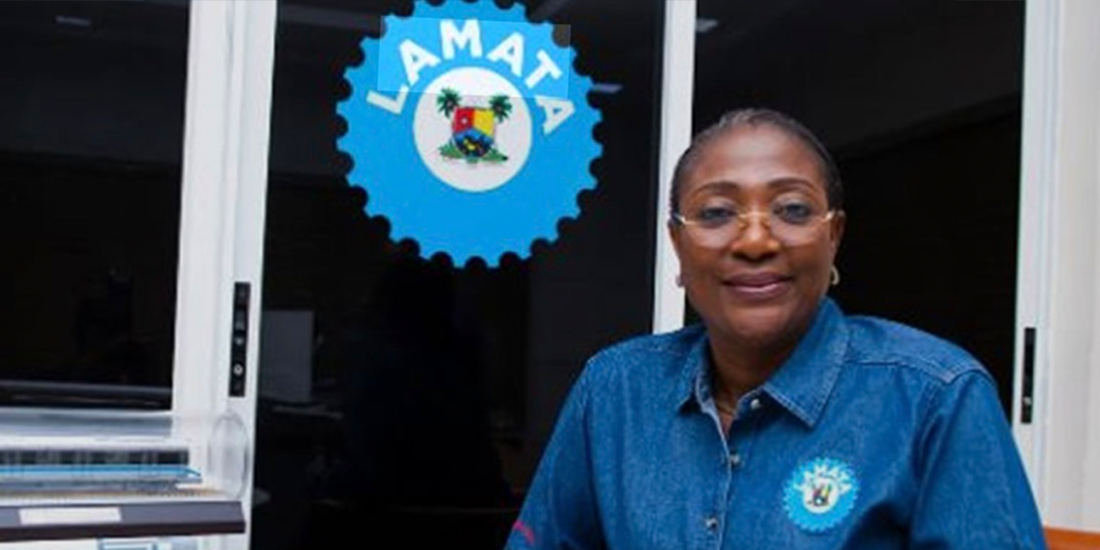
Managing Director and Chief Executive Officer of the Lagos Metropolitan Area Transport Authority, Abimbola Akinajo, said the policy had been in operation since the beginning of 2026.
She disclosed this during the handover of 20 additional high capacity compressed natural gas buses provided under the Presidential Initiative on CNG and electric vehicles.
According to Akinajo, operators seeking to introduce new buses into the regulated Lagos transport system will now be required to deploy vehicles powered by compressed natural gas or electricity.
Existing diesel buses will remain in operation during the transition period but will gradually be replaced.
The long term objective, according to LAMATA, is to move the regulated public transport network towards a fully electric fleet.
Akinajo said transportation remained a significant source of carbon emissions in Lagos and that cleaner vehicles would be important to the state’s ambition of achieving net zero emissions by 2050.
The transition is also expected to reduce operating costs for transport providers at a time when diesel prices have increased sharply.
According to Akinajo, diesel prices rose from about N950 per litre at the beginning of the year to between N1,950 and N2,100 per litre, creating substantial additional operating costs.
She said the growing deployment of compressed natural gas and electric buses had helped the regulated transport system absorb some of those costs without increasing fares.
Before the delivery of the latest vehicles, LAMATA had about 150 compressed natural gas buses alongside high capacity and medium capacity electric buses.
Some of the additional buses could be deployed along the heavily travelled Ikorodu to Tafawa Balewa Square corridor.
LAMATA is also working with private companies, including Ibile Oil and Gas, to improve access to compressed natural gas, while private investment in refueling infrastructure continues across Lagos.
The transition forms part of the broader Lagos State Transport Policy, which envisages increased deployment of cleaner energy across public transportation.
Under the policy, cleaner fuels and electric mobility are expected to play an increasing role in reducing emissions while helping transport operators control operating expenses.
The Federal Government is similarly promoting compressed natural gas and electric vehicles as alternatives capable of reducing transportation costs following changes in the petroleum market.