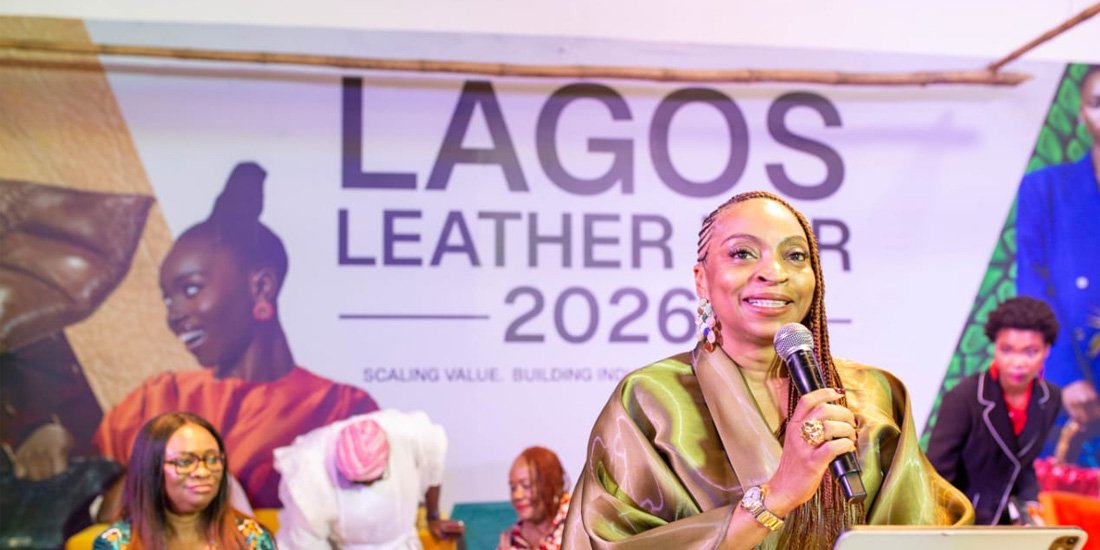
The ninth edition of the Lagos Leather Fair closed recently with a clear message for the continent’s leather industry, that compliance with global standards, adoption of artificial intelligence and a focus on exports will determine its future growth.
Held over two days, the fair brought together international buyers, policymakers, technology innovators and artisans to address barriers limiting the industry’s global competitiveness. A panel on exportation and compliance featured legal experts and auditors explaining why African leather brands have struggled to enter Western and Asian markets, stressing that traceability and ethical sourcing are now baseline requirements for premium global retail rather than optional extras.
A masterclass titled “From Workshop to World Markets” explored how data and artificial intelligence are transforming production, showing how analytics can anticipate fashion trends, automate custom sizing for online buyers and reduce waste in manufacturing. Technology consultant Elijah Moses said the future of leatherworking will be AI assisted, noting that digital pattern making is already reshaping production and could let workshops in cities like Aba or Ibadan compete with global fast fashion brands using similar tools.
The event’s exhibition and shopping pavilion generated direct sales and new business connections between designers and wholesale and international buyers, while master craftsmen demonstrated live leatherwork at a dedicated bench, showing that technology is expected to complement rather than replace traditional skill. A design challenge let attendees vote for the most innovative piece, giving emerging brands direct consumer feedback.
The runway show featured collections from several Nigerian brands blending African heritage with contemporary luxury design, drawing strong audience response. At the closing awards, Sole Inspiration was named Brand of the Year, with other honors going to designers recognized for footwear, handbags and emerging talent, and a special award for individuals who have contributed to building the industry’s broader ecosystem.
Minister of Industry, Trade and Investment Jumoke Oduwole reaffirmed government support for small businesses and industrialization at the event, while the UNDP and Ecobank pledged financing and technical support to help local brands scale. Fair founder Femi Olayebi said buildings alone do not build industries and machines alone do not create ecosystems, crediting the right strategic direction as the real driver of progress.