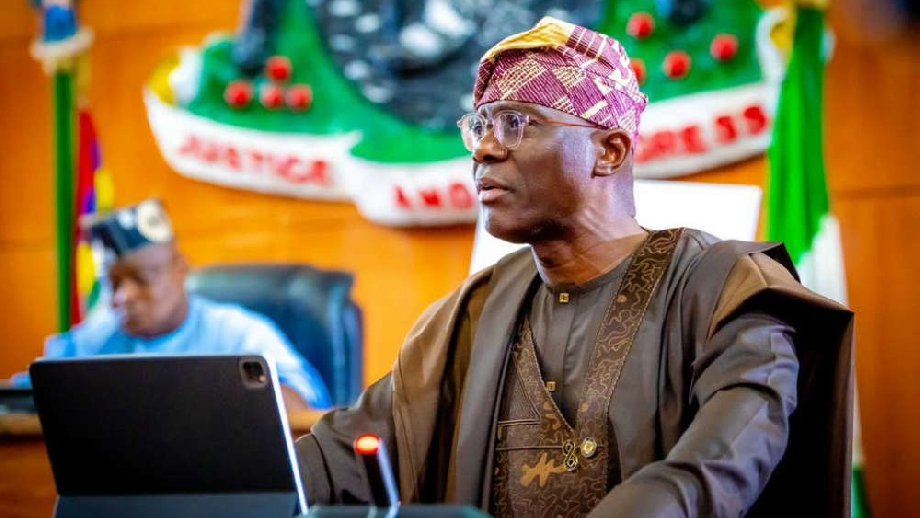
Lagos State Governor Babajide Sanwo-Olu has enthusiastically endorsed the ongoing national tax reforms, describing them as the structural overhaul Nigeria needed to harmonise revenue administration across all tiers of government, while revealing that internally generated revenue now funded approximately 60 percent of Lagos State’s capital expenditure, a milestone he attributed to sustained institutional investment and the operational autonomy granted to the Lagos State Internal Revenue Service.
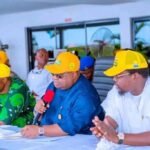
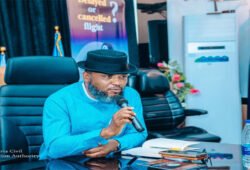
Sanwo-Olu made the disclosures at the official opening of the 159th Meeting of the Joint Revenue Board in Lagos, themed “From Fragmentation to Coherence: Advancing Sub-National Tax Administration Through Harmonization,” using the occasion to outline both what Lagos had achieved and what the national revenue administration architecture still needed to deliver.
He commended the replacement of the old Joint Tax Board with the Joint Revenue Board and praised its expanded mandate to include harmonization of revenue administration across all tiers of government, resolution of inter-governmental revenue disputes, and the creation of an Office of the Tax Ombudsman to promote taxpayers’ rights.
The governor attributed Lagos State’s remarkable IGR growth to four interconnected factors: the operational autonomy of the Lagos State Internal Revenue Service, sustained investment in technology infrastructure, deliberate expansion of the tax net to capture previously untaxed economic activity, and the building of trust with taxpayers through consistent service delivery.
He declared himself an ambassador of the JRB to the Nigeria Governors’ Forum and pledged to continue advocating among fellow governors for greater autonomy for subnational revenue authorities, arguing that operational independence was a fundamental necessity for optimal performance.JRB Chairman Zacch Adedeji, represented by the Board’s Executive Secretary Olusegun Adesokan, praised Lagos State’s revenue performance, noting that in 2025 the state generated over N1.7 trillion, a 39 percent increase over the N1.2 trillion generated in 2024. He attributed this achievement to sustained reforms and the leadership of Lagos State Internal Revenue Service Executive Chairman Ayodele Subair.