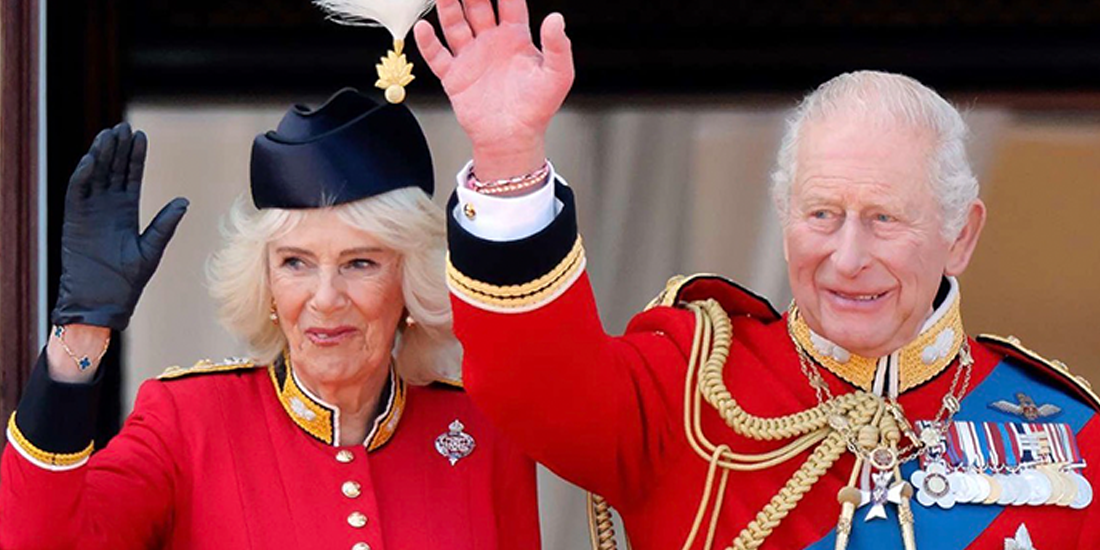
The British Royal Family has come under renewed scrutiny following the disclosure of fresh financial records showing that taxpayers are funding a £370 million refurbishment of Buckingham Palace, even though King Charles III and Queen Camilla have decided they will never make the palace their permanent home.
Financial documents released by the monarchy revealed that the extensive renovation project, launched in 2017 to replace decades old electrical wiring, plumbing and heating systems, is nearing completion. Yet Buckingham Palace will function primarily as the administrative headquarters of the monarchy rather than a family residence.
Instead, the King and Queen will continue to reside at Clarence House, their preferred London home, raising questions about the necessity of investing hundreds of millions of pounds in restoring a 775 room palace that the reigning monarch has chosen not to occupy.
The revelations are contained in newly published royal accounts that also shed light on the travel habits and personal finances of Britain’s royal household, part of what palace officials describe as an effort to improve transparency.
For the first time in modern British history, King Charles has agreed to make public details relating to his personal tax payments, a move seen as an attempt to bolster confidence in the institution amid growing public debate over its costs.
The financial disclosures paint a picture of a lifestyle sustained by significant public expenditure.
Among the most expensive overseas engagements was a three day visit by Prince William to Saudi Arabia in February 2026, which cost British taxpayers £130,106. The amount included expenses incurred by an advance team responsible for planning the trip.
Closer to home, a single journey aboard the Royal Train to Lancaster in June 2025 cost £48,460, while routine trips undertaken by the King between royal residences have cost as much as £24,000 each.
The records further show that members of the Royal Family spent £3.3 million on official journeys costing less than £20,000 during the financial year ending March 31, 2026.
That expenditure covered 177 helicopter trips amounting to £733,063, 60 chartered flights costing £837,998, scheduled commercial flights valued at £219,819 and rail travel expenses of £85,279.
Critics argue that the figures reinforce perceptions of a monarchy struggling to reconcile its image with the economic realities facing ordinary Britons, many of whom continue to contend with inflation, high energy bills and pressure on household incomes.
Questions have also been raised about the continued reliance on helicopters, chartered aircraft and the Royal Train at a time when public institutions are being urged to reduce spending and embrace more environmentally sustainable modes of transportation.
Supporters of the monarchy, however, contend that many of the journeys are undertaken in support of diplomatic, charitable and constitutional duties, and that security considerations often limit travel options available to senior royals.
They also point to the monarchy’s contribution to Britain’s tourism industry and its role in projecting the country’s influence abroad.
Nonetheless, the juxtaposition of a £370 million palace restoration, multimillion pound travel expenses and the King’s decision to remain at Clarence House has reignited a long standing debate over whether the British monarchy is adapting quickly enough to the demands of a modern era increasingly focused on accountability and prudent use of public funds. While Buckingham Palace will remain the ceremonial heart of the monarchy and continue to host state banquets, investitures and official receptions, the latest disclosures suggest that public scrutiny of royal spending is unlikely to diminish anytime soon.