The Hydrocarbon Pollution Rehabilitation Project says women’s participation in the Ogoni cleanup programme has increased from about five per cent in 2023 to 45 per cent, reflecting efforts to make the environmental restoration programme more inclusive.
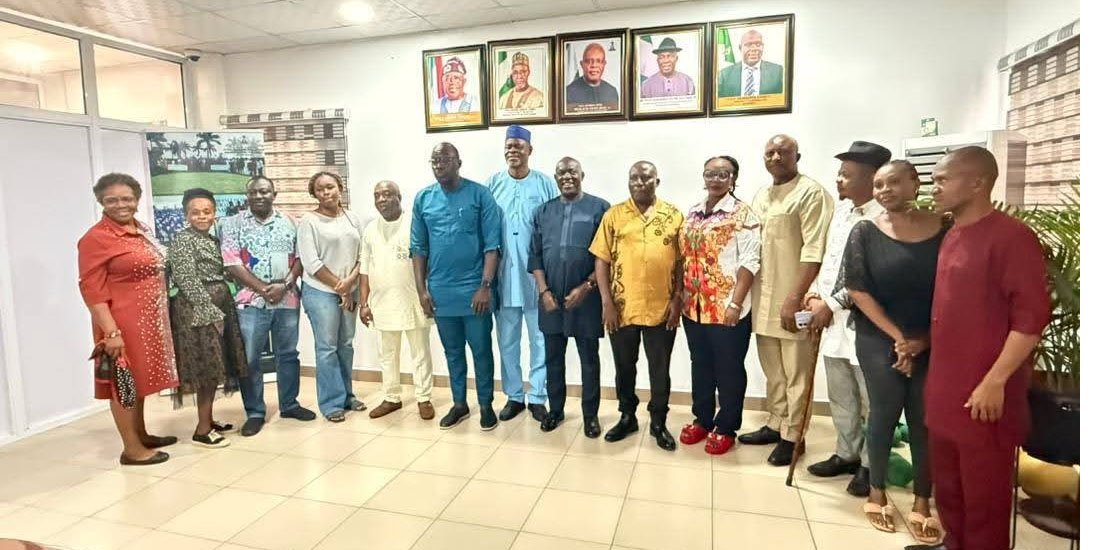
HYPREP Project Coordinator Nenibarini Zabbey disclosed the figure in Port Harcourt during the third quarterly meeting of regulators and asset owners involved in the cleanup.
He said the project was being implemented through a multi-stakeholder and community-centered approach based on recommendations contained in the United Nations Environment Programme assessment of Ogoniland.
Zabbey said regular engagement with regulators, asset owners, civil society organizations and communities was necessary to review progress and address obstacles.
The meeting coincided with activities marking the tenth anniversary of the cleanup programme.
HYPREP said significant progress had been made in mangrove restoration and called for stronger protection of the Ogoni mangrove wetland.
The project also wants greater investment in ecotourism to preserve biodiversity while generating local economic opportunities.
On healthcare, Zabbey said HYPREP had expanded beyond the original UNEP recommendations.
Four health facilities have been upgraded with modern equipment and solar power, while five ambulances have been deployed to strengthen emergency and referral services.
The 43-bed cottage hospital at Buwa has been completed and is awaiting personnel from the Rivers State Government.
The Ogoni Specialist Hospital is about 80 per cent complete and is expected to include oncology services, cancer screening and treatment.
HYPREP also said it had inspected a modern MRI machine in Germany for deployment to the specialist hospital.
The agency has commissioned the World Health Organization’s International Agency for Research on Cancer to conduct a three-year health study of the Ogoni population.
The study has entered its second year and blood-sample collection is underway.
Zabbey identified flooding and communal land disputes as major challenges affecting remediation.
Heavy rainfall has forced temporary suspension of work at some sites located on floodplains.
He said HYPREP would accelerate activity once conditions improved.
The agency is also using mediation and alternative dispute resolution to address community conflicts.
Hundreds of former artisanal refiners are being trained in commercial diving and underwater welding as part of efforts to reduce repollution and create alternative livelihoods.
HYPREP is also training 300 people living with disabilities in selected vocational skills.
Civil society representatives commended the community-focused approach but warned that continued sabotage and illegal refining could undermine environmental restoration.
HYPREP said the wider goal was to develop a model that could eventually be applied to other polluted communities in Nigeria.