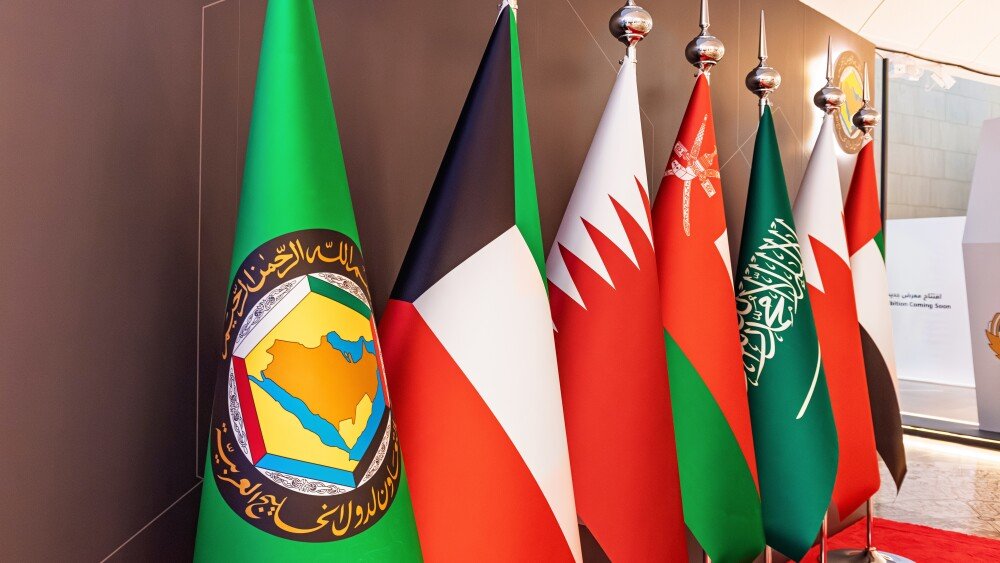
The Gulf region is facing growing economic uncertainty as the crisis between the United States and Iran drags on, leaving key Arab states caught in a fragile limbo between war and peace.
Although a shaky ceasefire has so far prevented a full-scale escalation, uncertainty continues to loom large as diplomatic talks remain stalled and the strategic Strait of Hormuz — a crucial artery for global oil shipments — remains effectively restricted.
The prolonged disruption has heightened concerns across the Gulf, where governments are grappling with the economic fallout of Iran’s blockade of the vital waterway, through which a significant portion of the world’s oil and gas exports usually passes.
The situation has already taken a toll on the region’s energy sector, with attacks linked to the crisis reportedly damaging critical oil and gas infrastructure. Analysts warn that repairs could take months, further delaying export capacity and slowing economic momentum.
Beyond the immediate impact on crude exports, the crisis is now threatening broader economic diversification efforts by Gulf nations such as Saudi Arabia, the United Arab Emirates, Qatar and Kuwait, many of which have spent years positioning themselves as safe and attractive destinations for global investment, tourism and business expansion.
Industry observers say the uncertainty is beginning to affect sectors beyond oil, including aviation, shipping, hospitality and financial services, as investors adopt a cautious stance amid fears of renewed hostilities.
While diplomatic efforts between Washington and Tehran continue, negotiations have so far focused largely on issues surrounding the Strait of Hormuz and Iran’s uranium enrichment programme.
However, Gulf states remain deeply concerned that the talks may fail to address what they consider the core security threats — Iran’s influence over the strategic waterway, its ballistic missile capabilities, and the activities of its regional proxy groups.
Security experts note that unless a comprehensive agreement is reached, the threat of further attacks on shipping lanes and energy infrastructure will continue to weigh heavily on investor confidence and economic recovery across the region.
The uncertainty has also exposed the limited influence of traditional US allies in the Gulf over Washington’s strategic decisions concerning conflict and diplomacy with Tehran.
Analysts warn that the longer the region remains trapped in geopolitical uncertainty, the more difficult it will be for Gulf economies to sustain growth targets and long-term development plans.
For now, the region remains on edge, balancing hopes for a diplomatic breakthrough against the ever-present risk of renewed confrontation.