The Federal Government has stepped up efforts to attract fresh capital, technology and strategic partnerships into Nigeria’s gas industry as it seeks to convert the country’s 215.19 trillion cubic feet of proven gas reserves into higher production, industrial activity and export earnings.
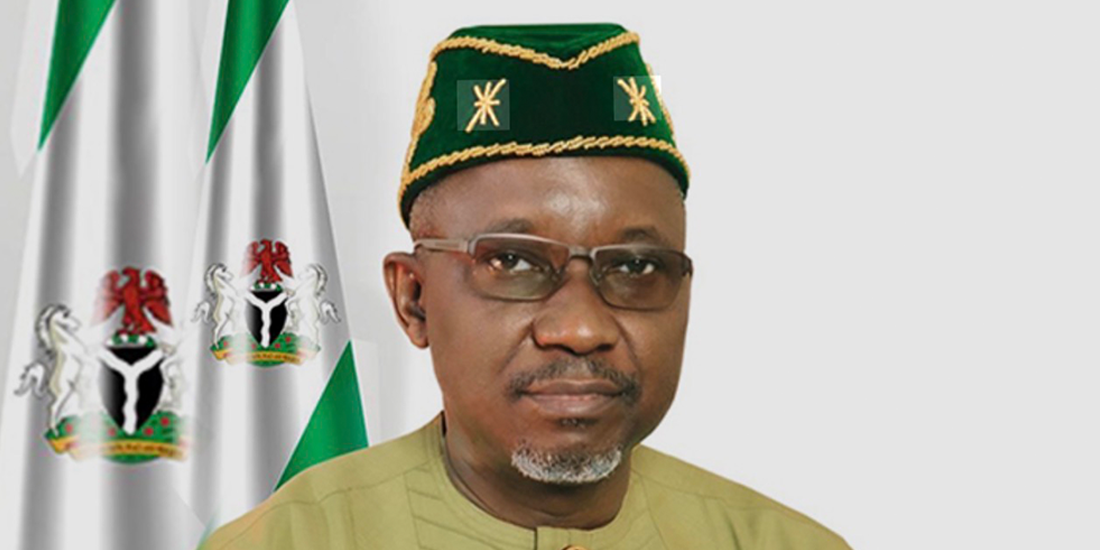
Minister of State for Petroleum Resources (Gas), Ekperikpe Ekpo, led a series of engagements with international energy companies, investors and government officials at Gastech 2026 in Bangkok, Thailand, with discussions focused on gas production, infrastructure, liquefied natural gas expansion, industrialization and access to new markets.
Ekpo told prospective investors that Nigeria remained open for business and said reforms introduced by the President Bola Tinubu administration had improved the investment environment.
“Nigeria is open for business. We have put in place the right fiscal policies and operating environment, and the security of investors and their investments is guaranteed,” he said in a statement issued in Abuja by his spokesman, Louis Ibah.
The minister said the Nigerian National Petroleum Company Limited would play a central role in converting bilateral energy discussions into commercially viable projects and investments.
One of the major engagements centered on the proposed Nigeria-Libya Gas Pipeline.
During talks with Libya’s Minister of Oil and Gas, Khalifa Rajab Abdulsadek, Ekpo discussed the possibility of creating an additional route for Nigerian gas through North Africa to European markets.
Both sides agreed to explore a Memorandum of Understanding and establish a joint technical team to examine the project.
The proposed team is expected to assess feasibility, financing, infrastructure requirements, security considerations and commercial viability, with NNPC Limited expected to lead Nigeria’s participation.
Ekpo also met the Country Chairman of Daewoo E&C Nigeria, Joseph Penawou, to review progress on Nigeria LNG’s Train 7 project.
The discussions covered contractor payments, project timelines, safety performance and quality assurance.
The minister stressed the importance of timely completion of Train 7 as Nigeria seeks to strengthen its position in the global LNG market.
Nigeria also used the conference to seek additional export opportunities.
Bangladesh’s Minister for Power, Energy and Mineral Resources, Iqbal Hassan Mahmood, expressed interest in Nigerian LNG and crude oil during a meeting with Ekpo.
Both countries also discussed broader energy cooperation as Nigeria seeks to diversify export destinations.
In another engagement, Ekpo met United States Deputy Secretary of Energy James Danly to discuss gas investment, technology deployment, energy security and clean-cooking initiatives.
The minister also held talks with Senegal’s Minister of Energy and Petroleum, El Hadji Abdourahmane Diouf, on cooperation across the oil and gas value chain.
According to the statement, Senegal expressed interest in Nigeria’s experience in gas development, local-content implementation and institutional capacity building, including potential collaboration with NNPC Limited, Nigeria LNG Limited and the Nigerian Content Development and Monitoring Board.
Ekpo’s meeting with Russia’s Deputy Minister of Energy, Roman Marshavin, focused on deeper cooperation in the gas industry.
The discussions included a proposal for an annual Gas Investment Forum to bring together policymakers, investors, project developers and financiers.
The Russian delegation expressed support for efforts to mobilize financing for gas projects, particularly in developing economies facing funding constraints.
Nigeria and Russia also reaffirmed cooperation within the Gas Exporting Countries Forum.
On the domestic front, Seplat Energy Plc outlined plans to significantly increase its gas production.
Seplat Chief Executive Officer Effiong Okon said initiatives across the company’s assets, including ANOH, western operations and offshore fields, could lift output to as much as 2 billion standard cubic feet per day.
Discussions with Seplat also covered Oso Floating LNG, UTM FLNG and Ibom LNG, as well as financing partnerships.
The company further outlined plans for an industrial park around the Qua Iboe Terminal corridor, which it said could support gas-based industries, manufacturing and wider economic activity.
Heirs Energies Chief Executive Officer Osayande Igiehon also briefed Ekpo on the company’s efforts to raise gas production and improve asset performance.
Heirs Energies highlighted its support for the Nigerian Gas Flare Commercialization Programme through the provision of flare sites for commercial development.
The government said the engagements formed part of a wider strategy to attract the financing, technology and partnerships needed to expand Nigeria’s gas industry and deepen the role of gas in industrialization, energy security and economic growth.