The Federal Government has cautioned against calls for the restoration of petrol subsidy, warning that reversing the policy could weaken Nigeria’s fiscal position, undermine investor confidence and roll back gains recorded under President Bola Ahmed Tinubu’s economic reforms.
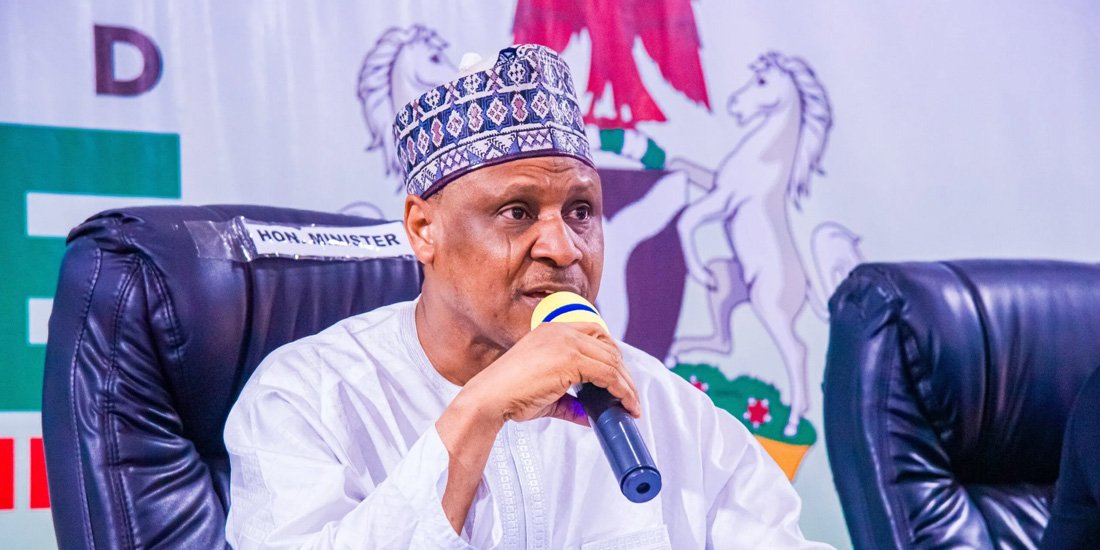
Minister of Information and National Orientation, Mohammed Idris, gave the warning in a statement issued by his Special Assistant on Media, Rabiu Ibrahim, in response to an opinion article published in some national newspapers on Monday, August 24, 2026, advocating the restoration of fuel subsidy.
Idris urged Nigerians to consider the opportunity cost of returning to the former subsidy regime, arguing that government resources used to subsidise petrol would reduce funds available for infrastructure, social programmes and allocations to states and local governments.
He said the choice was between restoring petrol subsidy and sustaining initiatives such as student loans and consumer credit for young Nigerians, as well as maintaining increased allocations to the sub-national governments.
The minister also warned that a return to subsidy could affect funding for roads, railways, electricity and security, while reducing the fiscal capacity required to expand healthcare, education and social protection programmes.
Idris recalled that Nigeria spent about $10 billion on fuel subsidies in 2022, at a time when oil production and government revenues were declining.
He cited previous warnings by the World Bank that the subsidy regime was consuming resources that could otherwise have been channelled into critical sectors, including education, healthcare, infrastructure and social protection.
According to the minister, the Federal Government’s recently presented Nigeria’s Reform Scorecard: The Benefits, Costs and Harms Prevented showed that subsidy savings generated ₦15.8 trillion in resources for the Federation between June 2023 and December 2025.
He said the Federal Government received about ₦5.43 trillion, states ₦6.52 trillion and local governments ₦3.88 trillion from the additional fiscal space.
Idris, however, clarified that the ₦15.8 trillion did not represent a separate pool of cash but rather resources released within the broader fiscal system of the Federation.
He said the additional fiscal space had strengthened the ability of states and local governments to meet salary and pension obligations and invest in essential services, while enabling the Federal Government to increase spending on infrastructure, security, agriculture and human capital development.
The minister further disclosed that about ₦6.47 trillion had been spent on strategic infrastructure, while more than ₦400 billion had been committed to major social investment programmes, including the Nigeria Education Loan Fund (NELFUND), MOFI Real Estate Investment Fund (MREIF) and CREDICORP.
He added that social transfers had reached more than 10 million Nigerian households.
Idris also drew attention to the existing electricity subsidy, which he said was estimated at ₦3.14 trillion between June 2023 and December 2025.
He argued that restoring petrol subsidy would impose an additional strain on government finances at a time when the country was already carrying substantial subsidy-related costs in the power sector.
The minister said the Organised Private Sector and other stakeholders in the economy had also cautioned against reversing the ongoing reforms.
He therefore urged Nigerians to assess the reforms from the perspective of long-term economic sustainability rather than short-term relief, stressing the need to build a more productive and resilient economy.
“Restoring subsidy” could provide immediate relief at the pump, he argued, but the government must also consider what other public services and investments would have to be sacrificed to finance it.